
Matsumura eyebright
Euphrasia matsumurae
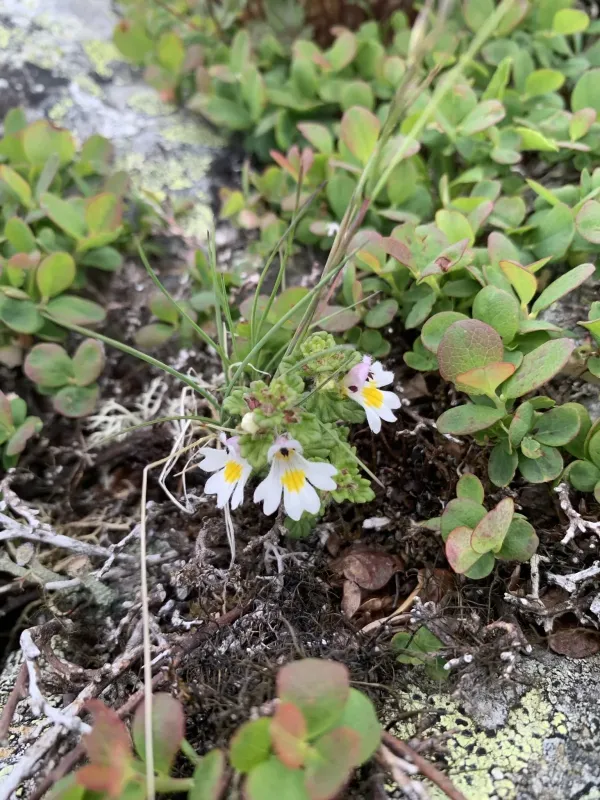
Description
Growing requirements
Matsumura eyebright (Euphrasia matsumurae) is a specialized herbaceous annual plant belonging to the Orobanchaceae family. As a hemiparasite, it possesses specialized root organs called haustoria, which penetrate the roots of host plants to extract essential nutrients and water.
The native range of this species is primarily focused in East Asia, with a high concentration in Japan. It typically inhabits mountain meadows and sunny slopes, growing in close association with specific grass and legume species that act as its necessary hosts.
In cultivation, the species requires well-drained, nutrient-permeable soils. It thrives in locations where the substrate remains consistently moist but not waterlogged, mimicking the natural conditions of high-altitude environments.
Environmental conditions must be carefully regulated regarding light exposure. As a hemiparasite, Euphrasia matsumurae requires full sun or partial light to maintain its photosynthetic activity, alongside moderate ambient temperatures to prevent physiological stress.
Economically, this species is cultivated for its therapeutic properties. The plant is utilized in various medicinal formulations, particularly those targeting ocular health, thanks to its high content of beneficial secondary metabolites such as aucubin and various flavonoids.
Main diseases and pests
Fungal infections remain the primary threat to the stability of the crop. Excessive humidity during the growing season frequently triggers leaf spots and root rots, which can rapidly spread across the planting area if not addressed immediately.
Insect pests, such as aphids and leaf miners, frequently attack the tender foliage. Because the plant is typically used for medicinal purposes, chemical pest control is strictly limited, necessitating the use of integrated pest management strategies.
Weed management represents a significant agronomic challenge. Since the plant is sensitive to chemical herbicides, mechanical weeding is required, which must be performed with extreme caution to avoid disrupting the connection between the eyebright and its host plant.
Physiological degradation can occur if the host plants are stressed or decline in health. Maintaining the vigor of the companion crop is essential to ensure that the eyebright receives sufficient resources throughout its lifecycle.
Harvesting timing is critical for avoiding storage diseases. Ensuring the plant material is sufficiently dry before processing is vital to prevent mold growth and the loss of active pharmaceutical ingredients during the storage phase.