
Euphrasia liburnica
Euphrasia liburnica
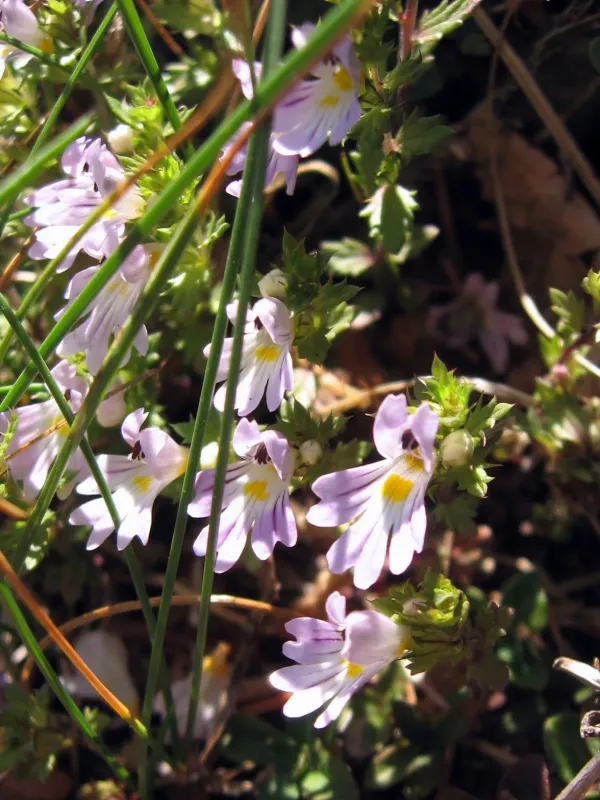
Description
Sowing dates
Euphrasia liburnica is a hemiparasitic species that relies on establishing a connection with host roots to survive. Seeding is typically performed in early spring when environmental conditions allow for active growth.
The seeds require direct contact with the roots of suitable host plants, making it essential to sow them into established grasslands or meadows where potential hosts are already present.
Given the small size of the seeds, they should be scattered on the soil surface or lightly pressed into the soil to ensure optimal moisture contact and germination.
Successful establishment depends heavily on the initial proximity to the host roots, as the young seedlings must attach quickly to avoid nutritional stress.
Mechanical sowing is usually impractical; therefore, broadcast seeding in selected patches is the standard method for promoting the growth of this specific culture.
Growing requirements
This species thrives in temperate climates, preferring well-drained, nutrient-poor, or moderately fertile soils. It is commonly found in open habitats with plenty of sunlight.
The presence of host plants is the primary biological requirement for the plant's health, as it extracts water and minerals through its haustorial connections.
Euphrasia liburnica is sensitive to soil compaction and prefers loose, aerated substrates that allow for proper root system development.
While the plant shows good resilience to cool temperatures, it requires protection from excessive heat and prolonged drought during the mid-summer months.
Soil pH should remain in the neutral to slightly alkaline range, which is standard for the limestone-rich regions where this species originates.
Harvesting
Harvesting is conducted during the peak flowering stage when the concentration of therapeutic compounds in the aerial parts is at its maximum.
The plant matter should be harvested by cutting the stems cleanly, ensuring that the roots remain undisturbed to allow for potential regeneration.
Immediate drying is required to prevent fungal growth and chemical degradation, which can quickly compromise the quality of the raw material.
Proper drying conditions include shade and constant airflow, avoiding exposure to intense UV light which may bleach the pigments and diminish the active ingredients.
Once dried to the required moisture level, the herb must be stored in cool, dry, and dark conditions to maintain its shelf life and biological efficacy.