
Euphrasia insignis
Euphrasia insignis
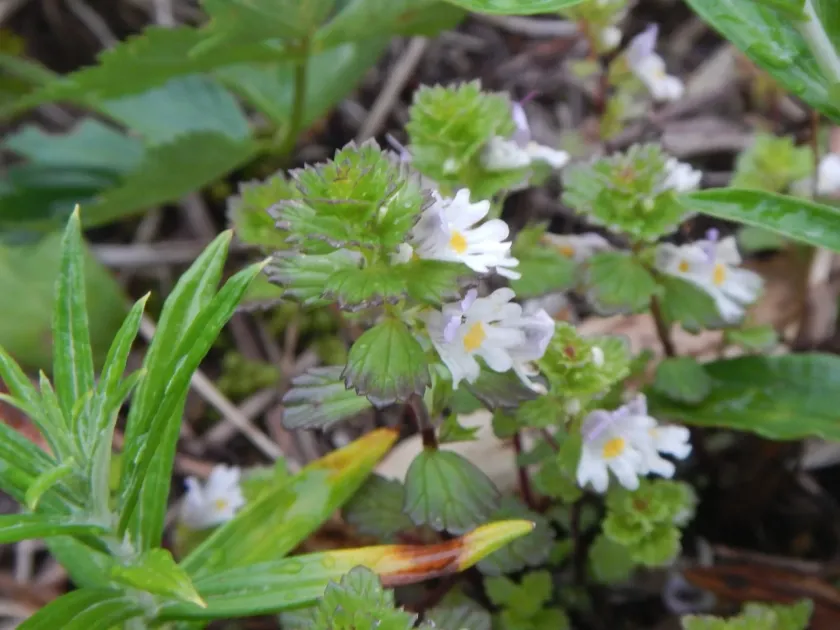
Description
Growing requirements
Euphrasia insignis is a species of flowering plant within the Orobanchaceae family. It is known for its hemiparasitic nature, meaning it gains part of its nutritional requirements by attaching its roots to the root systems of nearby host plants, typically grasses or other small perennials.
The plant exhibits distinct botanical characteristics, including simple, serrated leaves and small, intricate flowers often featuring white or lilac petals. Its growth cycle is strictly annual, and it relies heavily on the success of its host plants to complete its life cycle effectively.
Regarding environmental requirements, this species thrives in cool, temperate alpine or sub-alpine climates. It necessitates well-drained, nutrient-poor, or moderately fertile soils and requires a significant amount of light to flourish during the short vegetation period of high-altitude regions.
Cultivation presents a unique agronomic challenge due to the plant's hemiparasitic behavior. To cultivate it successfully, one must maintain an appropriate density of host plants. Without these companions, Euphrasia insignis fails to develop fully and usually remains stunted or dies before setting seeds.
In terms of economic usage, this plant is primarily valued for its medicinal properties, traditionally used in herbal eye care and respiratory treatments. The active compounds found in the foliage provide anti-inflammatory and antiseptic effects, making it a sought-after herb for niche pharmaceutical applications.
Main diseases and pests
Major pathological threats include root rot infections caused by poorly drained soils, which can quickly devastate a population. Furthermore, powdery mildew is a common fungal disease that affects the aerial parts of the plant during periods of high humidity and poor air circulation.
Pest pressures primarily include sap-sucking insects like aphids, which can weaken the plant and serve as vectors for various plant viruses. Controlling these pests requires careful management that avoids harsh chemicals, as they could adversely affect both the herb and its vital host plants.