
Eyebright
Euphrasia cuspidata
Description
Growing requirements
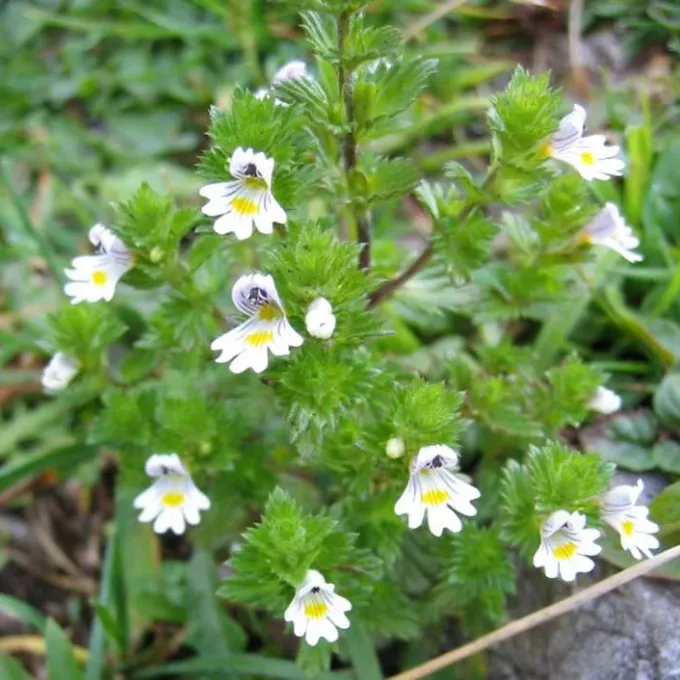
Euphrasia cuspidata, commonly known as a type of eyebright, is an annual herbaceous plant within the Orobanchaceae family. It is distinct due to its hemiparasitic nature, meaning it establishes connections with the roots of other plants to supplement its nutrient intake.
This species naturally inhabits rocky slopes and alpine meadows across European mountain ranges. It thrives in soils that provide excellent drainage and moderate mineral content, successfully competing in environments where fast-growing dominant vegetation is absent.
For cultivation purposes, one must replicate its natural niche. This requires the presence of suitable host plants, typically perennial grasses, which serve as essential donors for the eyebright's root system during its development cycle.
Environmental conditions play a crucial role in the survival of this species. High levels of natural light and a cool, stable climate are necessary. Over-fertilization is detrimental, as it encourages the host plants to outcompete the eyebright or alters the parasite-host chemical signaling.
The plant is valued commercially for its medicinal properties. Extracts containing its active ingredients, such as aucubin and various flavonoids, are widely employed in natural eye-care products and formulations aimed at reducing inflammation.
Main diseases and pests
The primary threats to Euphrasia cuspidata involve pathogenic fungi, especially those causing root and stem rot. These often arise in poorly drained soils where the microclimate remains excessively humid, promoting rapid spore proliferation.
Insects like aphids and spider mites are common pests that feed on the foliage. While an individual plant might withstand minor damage, significant infestations can compromise the entire cluster, leading to a noticeable drop in herbal quality.
Host plant depletion is an indirect threat. If the companion grasses or herbs die due to poor management or extreme weather, the eyebright population fails because it is unable to sustain itself independently.
The plant shows high sensitivity to most industrial herbicides and fungicides. Exposure to such chemical inputs can be fatal to the eyebright, necessitating manual weed control and natural pest management strategies in medicinal plant cultivation.
To ensure healthy yields, maintaining a balanced ecosystem is essential. Monitoring the health of host grasses and providing adequate airflow around the plants are the best preventive measures against potential biological stressors.