
Alpine Eyebright
Euphrasia cisalpina
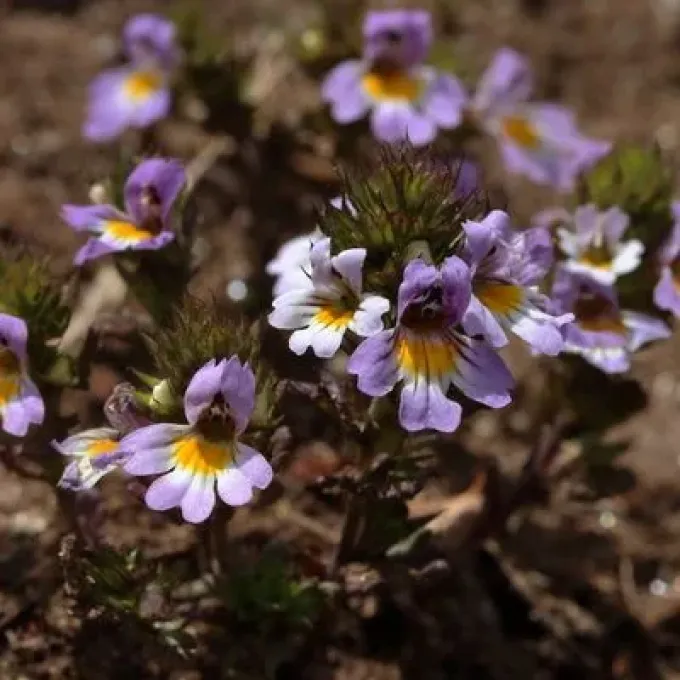
Description
Growing requirements
Alpine Eyebright (Euphrasia cisalpina) is a member of the Orobanchaceae family, known for its hemiparasitic lifestyle within alpine and subalpine meadows.
This plant species does not survive independently; it utilizes specialized roots called haustoria to extract vital nutrients and water from the roots of host plants, typically grasses.
Geographically, this species is native to the mountainous regions of Southern and Central Europe, thriving in high-altitude environments with temperate weather patterns.
The ideal soil conditions for this plant include well-drained, nutrient-poor, and slightly acidic environments that allow for the establishment of a symbiotic relationship with a host.
Cultivation of Euphrasia cisalpina is challenging and rare, as it requires a specific companion crop to be present simultaneously to sustain its life cycle throughout the growing season.
Main diseases and pests
Common threats to the health of these plants include root pathogens that develop due to waterlogging or high soil compaction, which is detrimental to the delicate haustorial connections.
Infestations by sap-sucking pests, such as aphids, can significantly reduce the vitality of the plants and impede their floral production during the summer months.
Extreme competition from aggressive weeds can overshadow the plants, depriving them of the sunlight necessary for photosynthesis and survival.
Climate instability, particularly late spring frosts or prolonged droughts, can disrupt the plant-host relationship, leading to premature senescence of the crop.
Due to its specialized nature, the species is highly sensitive to broad-spectrum pesticides, which can disrupt the delicate ecological balance of the immediate root zone.