

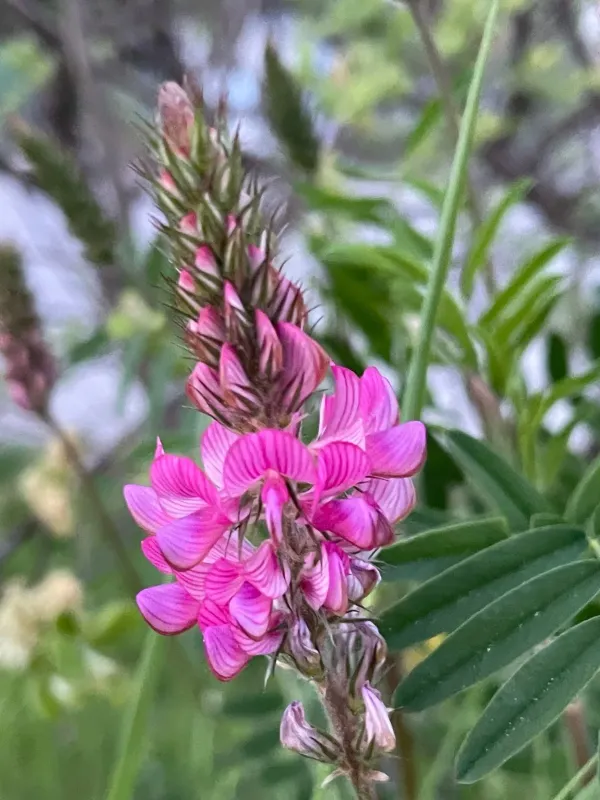
Description
Sowing dates
Sainfoin is a resilient perennial legume that is best established in early spring, allowing the plants to capitalize on residual soil moisture for effective germination.
It is often sown as a pure stand or as a companion crop with spring cereals, which provides early protection and maximizes the usage of arable land.
The seeding depth should be carefully managed, typically ranging from 2 to 4 cm depending on the soil texture to ensure uniform emergence across the field.
High seed rates are often necessary, as the large, pods contain seeds that may have dormancy, requiring careful preparation or scarification for optimal results.
Spacing between rows of 15–20 cm is common, providing enough room for the plants to establish strong root systems that define this species' longevity.
Growing requirements
Sainfoin is renowned for its exceptional drought tolerance, performing significantly better than alfalfa on dry, shallow, and rocky calcareous soils.
It thrives in well-drained, alkaline-to-neutral pH environments, while struggling in overly acidic or waterlogged conditions that lead to root rot.
The plant features an extensive taproot system, which helps it access subsoil moisture, making it a reliable source of green fodder during summer heatwaves.
Exposure to full sunlight is essential, as the species is highly light-demanding and does not tolerate competition from weeds in the early stages of growth.
Due to its biological characteristics, it is less susceptible to soil compaction compared to other legumes, though it still prefers fertile, well-structured land.
Yield
The biomass yield varies depending on local climate and management, but sainfoin typically provides two to three cuts per season in irrigated or wetter regions.
It is valued for high protein content and the presence of condensed tannins, which prevent bloating in grazing ruminants, unlike many other forage legumes.
Proper fertilization, especially with phosphorus and potassium, significantly improves the persistence and nutritional quality of the stand over several years.
Sainfoin is a superior nectar-producing plant, attracting bees and beneficial insects, which further enhances the yield of seed crops through effective pollination.
Management of the final cut is crucial; leaving adequate regrowth before winter ensures the plant stores enough energy for successful spring emergence.
Main diseases and pests
Powdery mildew represents a primary fungal threat, particularly in warm and humid seasons, potentially reducing the palatability and nutritional value of the hay.
Root diseases and stem rot can occur under poor drainage, emphasizing the need for selecting the right site to maintain a healthy and long-lived stand.
Several specialized insects, including certain weevils and seed-feeding larvae, can impact seed production, requiring careful monitoring during the flowering stage.
Integrated pest management, including crop rotation and field sanitation, is the most effective approach to reducing the incidence of harmful pests and pathogens.
Ensuring the crop is not stressed by nutrient deficiencies helps strengthen the plants' natural resistance to common field diseases.
Harvesting
For maximum nutritional yield, the forage should be cut at the early flowering stage, as protein content peaks just before significant pod development.
The hay making process requires gentle handling to minimize leaf shattering, as the protein-rich leaves are the most valuable part of the harvested biomass.
Seed harvesting should be performed when the majority of the seed pods have turned brown, indicating maturity and preventing excessive shattering losses.
Drying the harvested material thoroughly to a safe moisture level is vital for long-term storage and to prevent mold growth in baled hay or stored seed.
Regular maintenance of the equipment and timely execution of the harvest allow producers to optimize the quality and economic return of the sainfoin crop.
Content graph
Connections · Sainfoin
Most often together:
Marketplace