
Caucasian sainfoin
Onobrychis transcaucasica Grossh.
Description
Sowing dates
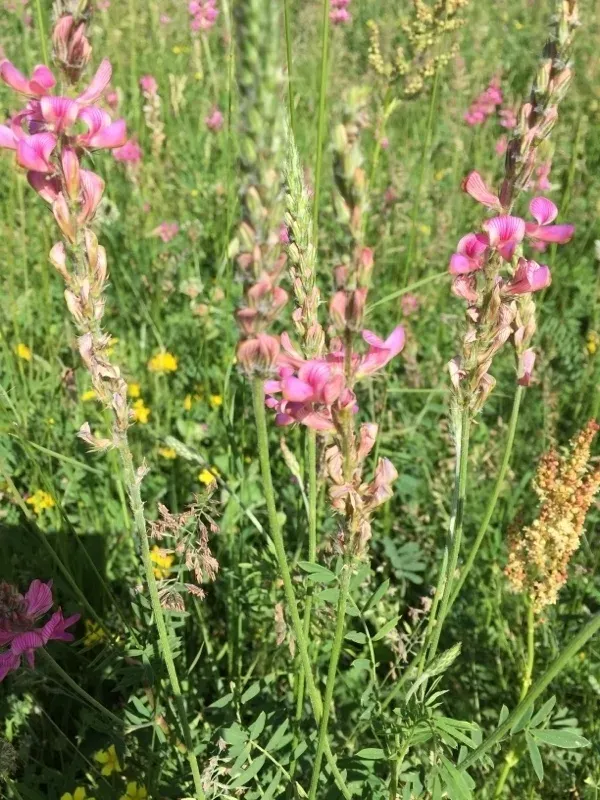
Caucasian sainfoin (Onobrychis transcaucasica Grossh.) is a perennial leguminous plant native to the Caucasus region. Renowned for its resilience, this crop is a valuable component in forage production systems, particularly in areas where soil and moisture conditions are challenging for other legumes.
The optimal sowing time is early spring, as soon as the soil is workable. Early planting allows the taproot system to establish deeply before the onset of summer heat, which is essential for the crop's long-term survival and productivity over multiple years.
For best results, it is recommended to use direct sowing methods in well-prepared, firm seedbeds. Proper seed-to-soil contact is critical, and rolling the soil after sowing can significantly improve emergence rates, especially in lighter or drier soil types.
The sowing depth should be maintained between 2 and 4 centimeters. Planting too shallow can result in uneven germination due to surface drying, while excessive depth can prevent the seedlings from emerging successfully through the soil crust.
Inoculation of seeds with appropriate Rhizobium strains is highly encouraged, especially if the field has not been previously planted with sainfoin. This practice ensures efficient biological nitrogen fixation, which significantly boosts the crop's vigor and adds nitrogen back into the soil for future crops.
Growing requirements
This species is exceptionally drought-tolerant and well-adapted to poor, calcareous, or stony soils. Its ability to thrive on slopes and in nutrient-depleted areas makes it an excellent choice for soil conservation and land reclamation projects.
Caucasian sainfoin prefers neutral to slightly alkaline soil conditions. It does not tolerate waterlogged soils or high water tables, as these conditions increase the risk of root rot and plant loss. Well-drained sites are essential for optimal growth and persistence.
Climate requirements include sufficient sunlight, as shading from taller plants or weeds during the establishment phase can severely restrict the growth of young sainfoin. The plant is winter-hardy and recovers well from dormant periods to start growth early in the spring.
Fertilization should prioritize phosphorus and potassium, as the plant's nitrogen needs are largely met through its symbiotic association with soil bacteria. Excessive nitrogen application is generally unnecessary and can favor weed growth instead.
Site selection should avoid heavy clay soils that are prone to compaction, as these can hinder the penetration of the taproot. On suitable sites, the crop remains highly productive for several years, providing high-quality forage throughout its lifespan.
Yield
Yield potential of Caucasian sainfoin is impressive under proper management. While it typically produces one or two cuts per season depending on rainfall or irrigation, the nutritional quality of the forage is consistently higher than that of many other common hay crops.
The forage is highly palatable and rich in protein, amino acids, and essential minerals, making it an ideal feed for ruminants. It is non-bloating, which is a major advantage over alfalfa (lucerne) when used for grazing purposes, significantly reducing risk to livestock.
Seed production is another vital economic aspect of this crop. When managed specifically for seed, yields can be quite profitable, and the high demand for quality sainfoin seed ensures a stable market for farmers specializing in its cultivation.
The plant serves as an outstanding honey source. Because it blooms over a long period during the summer, it provides a consistent and abundant nectar source for bees, resulting in high-quality honey production that diversifies the farm's income.
Managing the crop for sustained yield requires balanced grazing or cutting schedules. Overgrazing, especially late in the season, can deplete root reserves and reduce the stand density in the following year, so careful monitoring is recommended.
Main diseases and pests
Root rot is among the most significant threats to sainfoin stands, particularly in wet or poorly drained conditions. This fungal issue can cause large gaps in the stand and significantly shorten the lifespan of the crop, making drainage management essential.
Pests like the sainfoin seed weevil can severely damage the reproductive organs, leading to reduced seed quality and lower yields. Integrated pest management strategies, including monitoring at the budding stage, are necessary to control such infestations effectively.
Fungal leaf diseases, such as various types of leaf spot, can appear during periods of high humidity and heat. While usually not fatal, these diseases reduce the leaf-to-stem ratio and lower the overall quality and digestibility of the harvested hay.
Weed competition represents a major challenge during the first year of growth. Once established, sainfoin is quite competitive, but it is fragile as a seedling; therefore, weed control must be prioritized early to ensure the crop doesn't get smothered.
Regular inspection of the fields is the best way to detect early signs of disease or pest outbreaks. Preventive measures, such as long-term crop rotation and using certified disease-free seeds, are the most cost-effective ways to ensure a healthy and lasting crop.
Harvesting
The best time to harvest for hay is at the early flowering stage. Cutting at this time maximizes the balance between forage volume and nutrient content, as the plant's protein levels are at their peak before full maturity.
For seed harvesting, the crop should be gathered when the seed pods turn a characteristic brown color, indicating maturity. Timing is crucial here to prevent seed shattering, which can happen if the pods are left on the stem for too long after ripening.
Mechanical harvesting requires careful adjustment of equipment to prevent excessive loss of the highly nutritious leaves. Using conditioners can speed up the drying process, reducing the time the hay needs to remain in the field and minimizing quality loss from environmental exposure.
Post-harvest care involves ensuring the harvested material is dried to a moisture content suitable for safe storage to prevent mold and spoilage. Proper storage facilities are vital for preserving the forage quality throughout the winter months.
Field maintenance after the final cut involves ensuring the stand has time to recover. Leaving a stubble height of at least 5-10 centimeters can protect the plant crown and help it accumulate the energy required to survive the winter and initiate rapid growth next season.