
Monkey flower
Erythranthe tenella
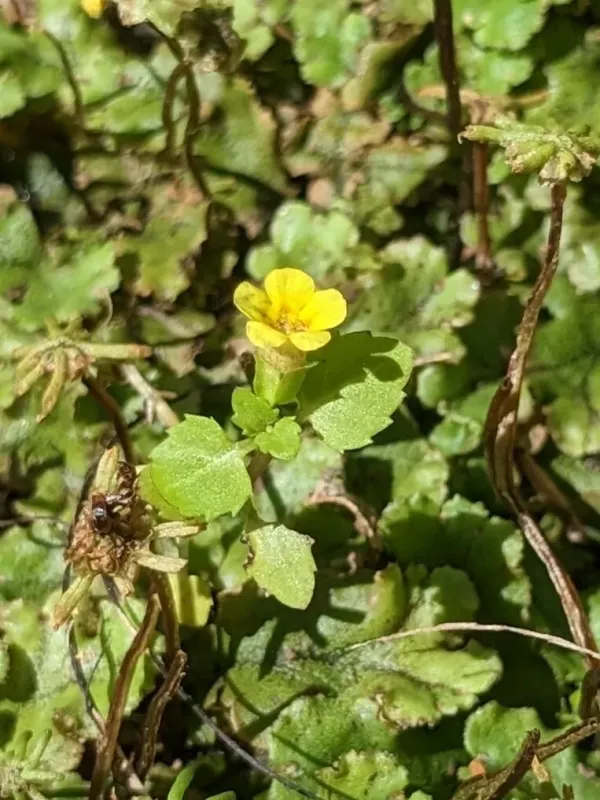
Description
Sowing dates
Erythranthe tenella, a member of the Phrymaceae family, is typically propagated through seeds sown in early spring. The seeds are exceptionally small and require surface sowing to ensure they receive sufficient light for germination.
When starting seeds, it is crucial to press them firmly into the moist substrate without burying them. Covering the trays with a clear lid or film helps maintain the high humidity levels necessary for successful sprout emergence.
Germination usually occurs at temperatures between 18 and 20 degrees Celsius. Once the seedlings appear, they should be moved to a well-lit location to prevent etiolation, which results in weak and spindly growth.
Transplanting into individual containers or seedling trays is recommended once the first true leaves have developed. Pinching back the tips of the main stems encourages branching and leads to a fuller, more vigorous plant.
Acclimatizing the seedlings to outdoor conditions before transplanting into the garden is essential. The final placement in the soil should only occur after the risk of frost has passed to prevent cold-induced shock.
Growing requirements
This species thrives in locations with partial shade, especially in warmer climates where intense midday sun can cause dehydration. Consistent light is essential for healthy development and flower production.
The ideal soil for this plant is rich in organic matter and maintains moisture without becoming waterlogged. High-quality potting mixes amended with compost usually provide the perfect balance of aeration and retention.
Water management is the most critical aspect of the plant's agronomy. The soil must be kept consistently moist; even brief periods of drought can cause the plant to wilt significantly and reduce its overall vitality.
For optimal growth, balanced liquid fertilizers should be applied every two weeks during the growing season. These nutrients support the continuous production of flowers and maintain the lush green color of the foliage.
Good air circulation around the plants is vital to prevent fungal issues. Spacing plants adequately—about 15 to 20 centimeters apart—ensures that foliage can dry off quickly after rain or irrigation, reducing disease risk.
Main diseases and pests
Powdery mildew is a common concern if air circulation is poor or humidity levels remain consistently high. Proper spacing and the application of appropriate fungicides can effectively mitigate the spread of this fungal disease.
Grey mold (Botrytis) can develop on older foliage or stems if the environment is too damp. Removing dead or damaged leaves and ensuring that the base of the plant is not overly congested are key preventive measures.
Aphids are the primary insect pests affecting the tender shoots and flower buds. Regular inspection of the undersides of leaves helps in detecting early infestations, which can be treated with systemic or contact insecticides.
Whiteflies may become an issue, particularly in protected environments like greenhouses. Using yellow sticky traps can help monitor and manage their population before they cause significant damage to the plant tissue.
Slugs and snails are often attracted to the lush foliage, especially in wet weather. Using physical barriers like crushed shells or professional bait can help protect the young plants from being consumed by these nocturnal pests.