
Erythranthe inflata
Erythranthe inflata
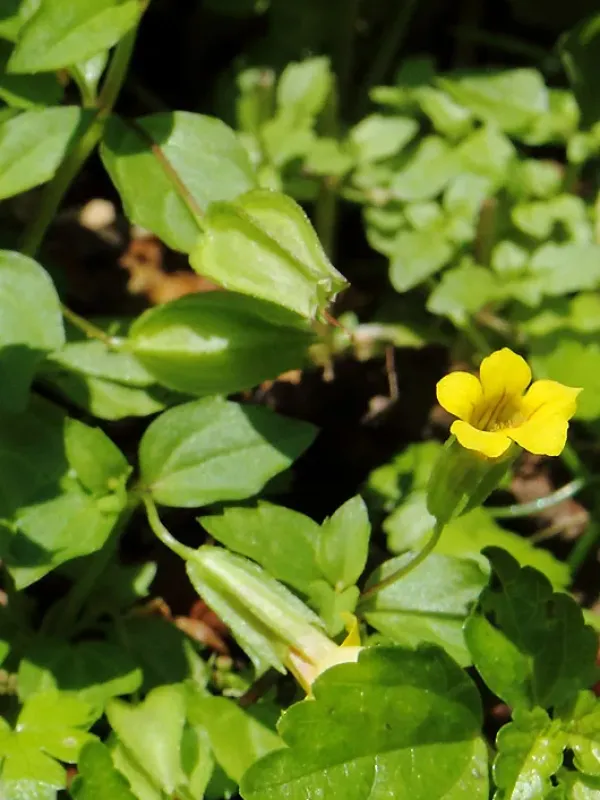
Description
Sowing dates
Sowing of Erythranthe inflata is typically conducted in early spring using a greenhouse or indoor seed trays. The seeds are minuscule and require surface sowing on a moist, fine-textured growing medium.
Providing consistent light is crucial during the germination phase, as these seeds are light-dependent. Maintaining a temperature range of 18-22 degrees Celsius ensures optimal development of the seedlings.
Pricking out the seedlings into individual containers is performed once they develop two sets of true leaves. This step is essential to prevent overcrowding and to promote healthy root formation before transplanting.
Hardening off is a mandatory process that prepares the young plants for outdoor conditions. Over two weeks, the plants are gradually exposed to cooler temperatures and higher airflow to minimize transplant shock.
Transplanting into the permanent location occurs after all danger of frost has passed. Ensuring the soil is pre-warmed and well-prepared promotes rapid establishment and vigorous growth during the season.
Growing requirements
Erythranthe inflata, a member of the Phrymaceae family, thrives in moist, organically rich soils. It performs best in areas where soil moisture can be consistently maintained throughout the active growing period.
The plant requires a site with full sun to light shade exposure. In hotter climates, protection from the harsh afternoon sun is recommended to prevent leaf scorching and excessive water loss.
Water management is the most critical aspect of the plant's agronomy. The soil must remain damp, but not waterlogged, as the root system is sensitive to prolonged anaerobic conditions common in heavy clay soils.
Regular fertilization with a balanced liquid fertilizer encourages continuous blooming. High-potassium formulas are particularly beneficial during the peak flowering stage to support the development of the inflated calyces.
Maintaining adequate spacing is necessary to facilitate airflow and reduce the risk of humidity-related pathogens. Standard garden spacing typically ranges from 20 to 30 centimeters between individual plants.
Main diseases and pests
Powdery mildew is a common threat, particularly in environments with poor air circulation and high relative humidity. Regular monitoring and the application of appropriate fungicides can effectively manage this disease.
Sap-sucking pests like aphids and spider mites frequently target the plant's tender tissues. Integrated pest management, including the use of horticultural oils or soaps, is recommended for effective control.
Root rot caused by fungal pathogens such as Pythium can occur if the drainage is insufficient. Improving soil structure and avoiding over-watering are key preventive measures for maintaining plant health.
Gastropods, including slugs and snails, can severely damage foliage in wet environments. Utilizing physical barriers such as copper tape or organic baits helps protect the plants from these pests.
Vascular wilts can occasionally affect the plant, requiring the removal and destruction of infected individuals to prevent spread. Keeping tools sanitized and maintaining overall plant vigor reduces the risk of infection.