
Musk flower
Erythranthe moschata
Description
Sowing dates
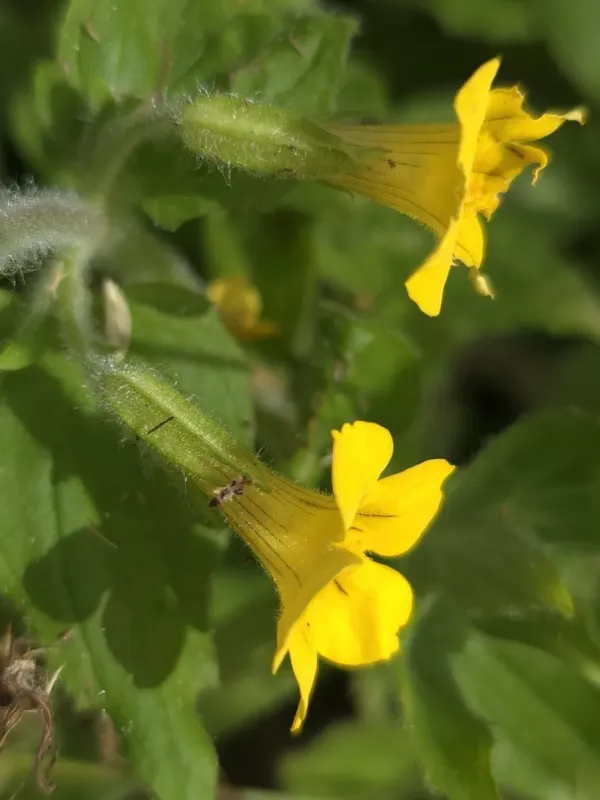
The Musk flower (Erythranthe moschata) belongs to the Phrymaceae family. It is a perennial plant often grown as an annual in cooler climates. Propagation is primarily done via seeds started indoors in early spring.
Seeds are tiny and require light to germinate, so they should be sown on the surface of moist seed-starting mix. Pressing them lightly into the soil ensures contact without burying the delicate embryos.
The germination period usually takes 10 to 14 days at a temperature of approximately 20 degrees Celsius. Keeping the containers covered with plastic helps maintain the necessary high humidity for successful sprouting.
Once seedlings have developed two sets of true leaves, they should be pricked out into individual small pots. This hardening-off process prepares the plant for future transplanting into garden conditions.
Transplanting into the permanent garden site should occur only after all risks of frost have passed. The plants perform best in groups to create a lush, carpet-like effect in moist, shady garden beds.
Growing requirements
This species has a strong preference for consistently moist soil. In its native habitat, it grows along streams and in boggy areas, requiring a similar environment to thrive in a garden setting.
Partial shade is essential for the Musk flower. Excessive exposure to direct midday sun often causes wilting and scorching of the foliage, necessitating more frequent irrigation to compensate for moisture loss.
The soil should be rich in organic matter, such as compost or well-rotted peat, to provide adequate nutrition. A slightly acidic to neutral pH level is generally considered ideal for optimal growth.
Climate-wise, the plant prefers cool, humid summers. In regions with extremely hot weather, the Musk flower may struggle to maintain its health and bloom quality, making it less suitable for such environments.
Beyond its ornamental use, the plant is valued for its subtle musky scent, which adds a unique sensory element to herb gardens or container arrangements placed near seating areas.
Main diseases and pests
Slugs and snails are the most significant pests for this plant, as they are attracted to the succulent, moisture-rich leaves. Protecting the plants with barriers or organic slug baits is recommended.
Powdery mildew can become an issue if the plant density is too high or if air circulation is insufficient. Thinning out the plants and avoiding overhead irrigation can help reduce the risk of infection.
Aphids might colonize the tender young stems of the Musk flower. Regular inspection of the plant tips and prompt intervention with mild soap-based insecticides are effective strategies to prevent damage.
Root rot caused by stagnant water is a critical threat, especially in poorly drained pots. Ensuring that the soil remains moist but not waterlogged is fundamental to the health of the root system.
- Regular moisture monitoring to prevent wilting
- Thinning of plants to improve airflow
- Monitoring for gastropod activity
- Application of organic fertilizers during peak growth