
Erythranthe hybrida
Erythranthe hybrida
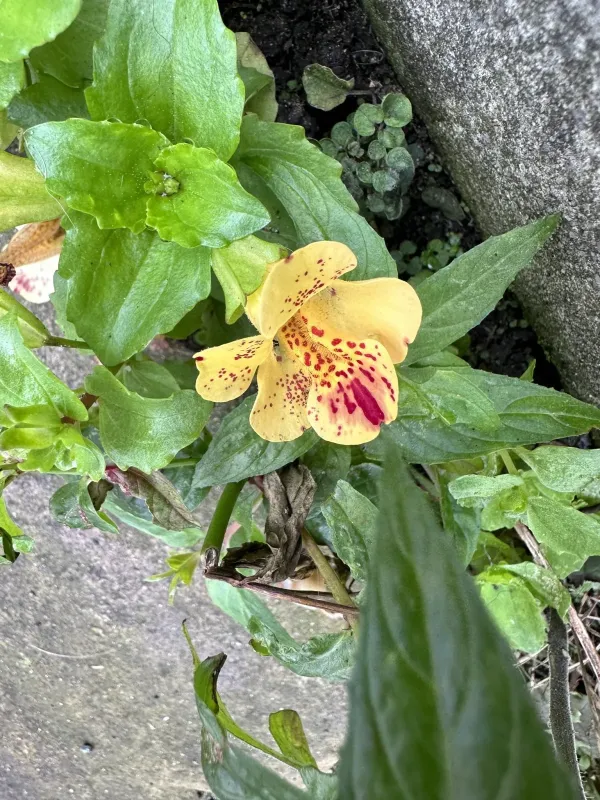
Description
Sowing dates
Erythranthe hybrida, commonly recognized in horticulture as hybrid monkey flower, belongs to the Phrymaceae family. Seeds are typically sown indoors from late February to March.
The seeds are minute and should be sown on the surface of the growing medium without covering, as they require light to germinate effectively.
Maintaining a constant temperature between 18 and 20 degrees Celsius is essential for optimal germination rates. Using a cover helps retain necessary humidity.
Seedlings are pricked out into individual pots once they reach the two-leaf stage. This allows for the development of a more robust root system before transplantation.
Final transplanting to the outdoors occurs after the risk of frost has passed, ensuring the plants are well-hardened before being placed in garden beds.
Growing requirements
This crop thrives best in partial shade locations, as intense midday sun can lead to leaf scorching and premature wilting of the delicate flowers.
The ideal soil is moisture-retentive, rich in organic matter, and slightly acidic. Good drainage is crucial to prevent root rot in overly saturated conditions.
Consistent irrigation is the most critical management practice, as the plants must never dry out completely during the active growing season.
Regular fertilization with a balanced liquid plant food every two weeks supports continuous blooming and strong vegetative growth throughout the season.
Spacing plants correctly is vital; overcrowding reduces airflow and increases the humidity around the foliage, promoting the development of fungal pathogens.
Main diseases and pests
Powdery mildew is a significant threat, especially in humid climates or where plants are placed too closely together, preventing proper air circulation.
Aphids and whiteflies frequently infest Erythranthe, congregating on the undersides of leaves and sucking sap, which may cause stunted growth.
Root rot is common when soils are too heavy or drainage is poor, leading to the rapid decay of the vascular system in the lower stems.
Slugs and snails can cause severe damage to the foliage, particularly during damp spring and autumn periods, necessitating the use of deterrents.
Viral infections may occur, showing as mottled patterns on leaves; infected plants should be removed immediately to prevent spread to healthy specimens.