
Copper monkeyflower
Erythranthe cuprea
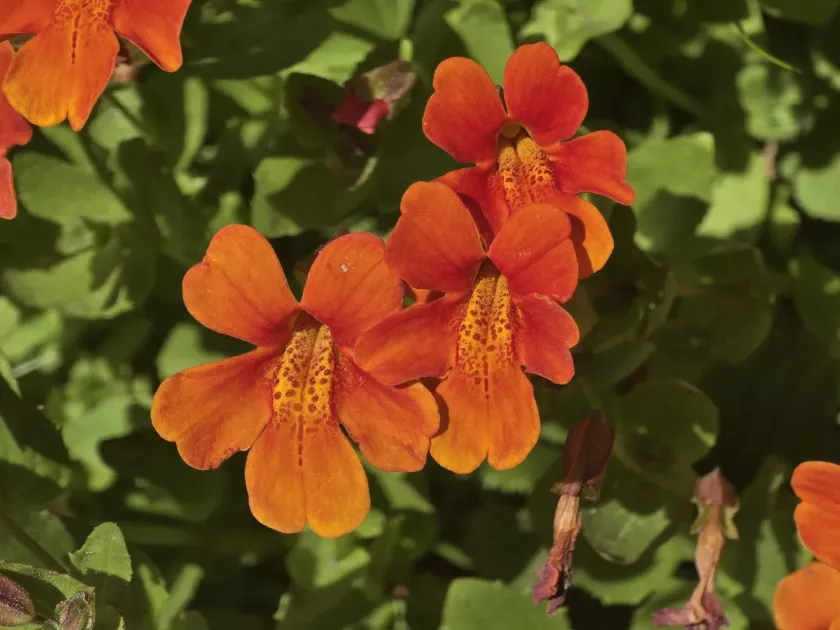
Description
Sowing dates
The copper monkeyflower (Erythranthe cuprea) is typically propagated via seeds, which are extremely small and require light for germination. In northern latitudes, seeds should be started indoors in late winter to ensure a robust plant before the final frost.
The sowing medium should be finely textured and kept constantly moist. Seeds should be surface-sown and pressed gently into the substrate without covering them with soil, as they need light to initiate the germination process successfully.
Temperature control is vital during the initial stages; keeping the seed tray between 18 and 22 degrees Celsius promotes uniform sprouting. A clear cover can be used to maintain high ambient humidity during this phase.
Once true leaves appear, seedlings should be pricked out into individual small pots. This careful handling helps in developing a strong, fibrous root system capable of supporting the plant after it is moved to its permanent outdoor location.
Hardening off the plants is a crucial step before transplanting into the garden. Gradually exposing the seedlings to outdoor conditions over a week prevents transplant shock and ensures better establishment in the garden beds.
Growing requirements
As a native of high-altitude Chilean regions, the copper monkeyflower thrives in cool, moist, and fertile soils. A well-drained but water-retentive soil mix, rich in organic matter, is essential for optimal growth and vitality.
This species performs best in locations with partial shade, especially in warmer climates where the intense afternoon sun can cause heat stress. In cooler northern regions, it can handle full sun provided that moisture levels are strictly managed.
Consistent irrigation is the foundation of successful cultivation. These plants are highly susceptible to drought, and the soil should never be allowed to dry out completely, as even short periods of water deficit cause immediate wilting.
Fertilization should be handled with care. A balanced, water-soluble fertilizer applied every two weeks during the active growth phase encourages vigorous foliage development and sustains the profuse production of cup-shaped blooms.
Adequate spacing, typically around 20–30 cm, is necessary to maintain proper airflow between plants. Good ventilation is key to preventing the buildup of humidity that often precedes the onset of various fungal pathogens.
Main diseases and pests
Aphids are the most common pests affecting this plant, often clustering on the soft stems and developing flower buds. Prompt application of mild contact insecticides is usually sufficient to manage these infestations effectively.
Powdery mildew is a prevalent disease, manifesting as a dusty white substance on the leaves. It usually occurs when plants are overcrowded or when there is significant temperature fluctuation combined with high ambient humidity.
Slugs and snails are particularly attracted to the succulent, moisture-rich foliage. Using physical barriers, such as copper tape or crushed eggshells, or non-toxic baits, helps protect the plants throughout the spring season.
Root rot, driven by stagnant water, is a significant threat to the plant's longevity. Ensuring the planting site has excellent drainage and avoiding over-watering during cool, cloudy periods significantly reduces this risk.
Whiteflies may appear in greenhouse environments. Integrated pest management, including the use of yellow sticky traps and horticultural oils, is recommended to control populations without damaging the delicate aesthetics of the flowers.