
Erythranthe sessilifolia
Erythranthe sessilifolia
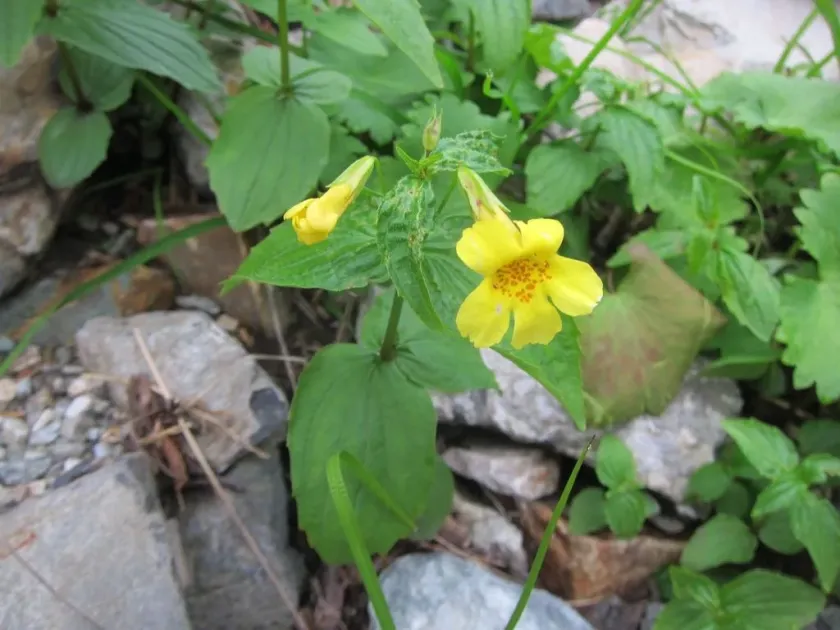
Description
Sowing dates
Erythranthe sessilifolia, a member of the Phrymaceae family, requires specific attention during the initial stages of propagation from seeds.
Sowing should ideally take place in late winter to early spring, providing the seedlings sufficient time to establish strong root systems before the growing season.
The seeds are exceptionally small and require surface sowing on a moist, fine-textured substrate, keeping them exposed to light for successful germination.
Maintaining a constant temperature of 20 to 22 degrees Celsius and high humidity is crucial during the germination phase to ensure a high success rate.
Once seedlings have developed at least two true leaves, they should be hardened off and transplanted into a permanent location after the last frost date.
Growing requirements
This species thrives in moist, well-draining soils and is particularly well-suited for environments that mimic its natural wetland or riparian habitats.
Soil pH should ideally be slightly acidic, and the medium must be rich in organic matter to support the rapid growth of the Erythranthe sessilifolia.
Partial shade is generally preferred, as intense, direct sunlight during the hottest part of the day can cause leaf scorch and dehydration.
Regular irrigation is vital; the soil should be kept consistently moist but not waterlogged, as this is essential for healthy plant development.
Periodic fertilization with a balanced liquid fertilizer during the peak growing season will help maintain vigorous growth and vibrant flowering.
Main diseases and pests
Powdery mildew is a frequent concern when humidity levels fluctuate, often resulting in visible white patches on the foliage of the plants.
Grey mold, caused by excessive moisture and poor air circulation, can lead to stem rot and systemic plant failure if not managed promptly.
Aphids represent a common pest threat, frequently clustering on young shoots and buds, thereby stunting the overall growth of the plant.
Spider mites may also pose a problem in environments where the air remains dry for extended periods, causing stippling on the leaves.
Preventative measures include maintaining proper plant spacing for airflow and utilizing appropriate fungicides and miticides when symptoms first appear.