
Erythranthe robertsii
Erythranthe robertsii
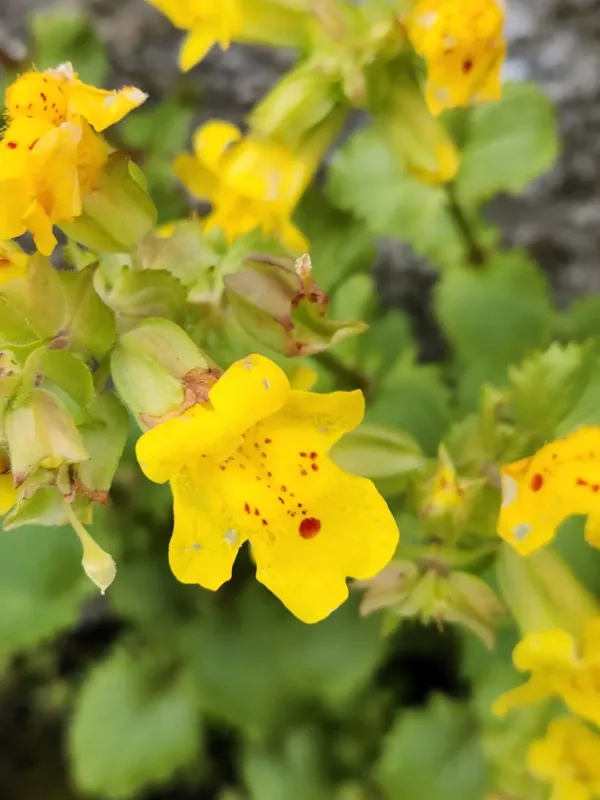
Description
Growing requirements
Erythranthe robertsii is an intriguing ornamental plant belonging to the Phrymaceae family. This species historically relates to plants previously classified within the Mimulus genus, which dictates their shared morphological traits.
The origin of this species is in the regions of Central Mexico, where it thrives in specific microclimatic conditions. The cultivation range is limited to mountainous areas characterized by high humidity and moderate temperatures throughout the growing season.
The crop has high requirements for substrate moisture, preferring loose, humus-rich soils with efficient drainage. The optimal soil pH for this plant lies within the slightly acidic to neutral range.
The plant requires diffused sunlight, as direct rays during hot hours can cause leaf scorching. In terms of agrotechnics, it is crucial to maintain a stable air humidity level while avoiding water stagnation in the root zone.
The economic use of Erythranthe robertsii is primarily focused on ornamental floriculture and landscape design. Due to its aesthetic qualities, it is highly valued by collectors of rare species and is suitable for greenhouse cultivation.
Main diseases and pests
In greenhouse conditions, the primary pests for Erythranthe are spider mites and greenhouse whiteflies, which multiply rapidly in low-humidity environments.
When irrigation agrotechnics are neglected, the crop becomes susceptible to fungal diseases, specifically root rot and late blight. The use of systemic fungicides is recommended for preventive purposes.
Powdery mildew may affect the foliage under poor air circulation conditions. Regular ventilation and the removal of infected plant parts are key control measures.
Aphids often aggregate on young shoots, sucking sap and weakening the crop's immunity. Control of this pest is managed through both biological and chemical insecticides.
An important protection factor is the adherence to quarantine measures when introducing new specimens into a collection. Regular inspection of the leaf undersides allows for the detection of infestation spots at early stages.