
Erythranthe nepalensis
Erythranthe nepalensis
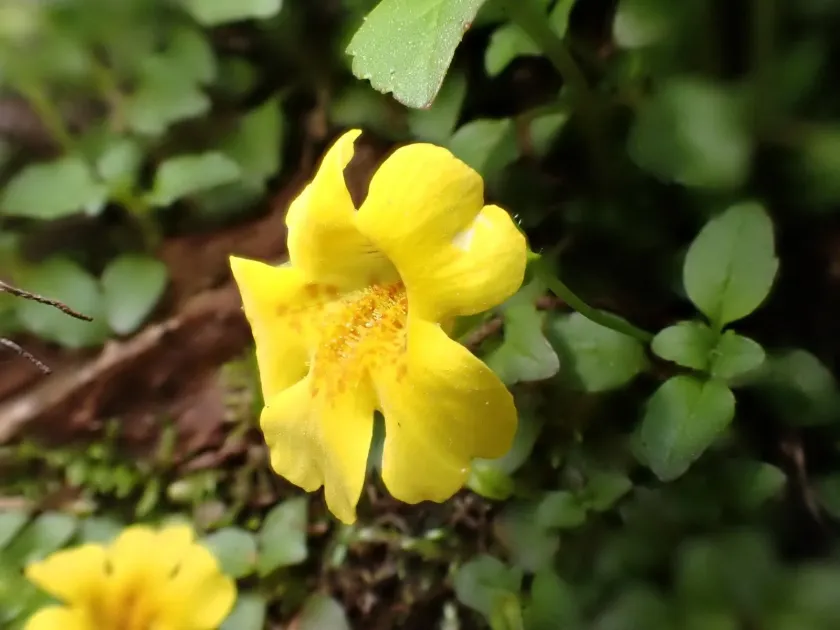
Description
Sowing dates
Erythranthe nepalensis is a herbaceous perennial belonging to the Phrymaceae family. This species originates from the high-altitude regions of the Himalayas, which dictates its preference for cool, moist environmental conditions.
Propagation is primarily achieved through seeds, which are extremely small and delicate. Sowing should be performed indoors in late winter, typically February, by surface-sowing the seeds onto a high-quality, moist sterile seed-starting medium.
Since the seeds require light to germinate, they must not be covered with soil. Covering the containers with clear plastic helps to maintain the high humidity levels necessary for successful germination and early seedling development.
The seedlings are ready for pricking out once they develop their first set of true leaves. They should be handled with care, as the young stems are quite fragile and prone to damage if not treated gently during the transplanting process.
Final transplanting into the garden occurs after the risk of frost has completely passed. Establishing plants in a site that receives partial shade is crucial for their long-term survival, as intense solar exposure can scorch the foliage.
Growing requirements
To thrive, Erythranthe nepalensis requires cool, well-draining, and nutrient-rich soil. The plant performs best when the organic matter content of the soil is high, mimicking the natural conditions of mountain meadow slopes.
Consistent moisture is the most vital requirement for this species. The root zone should never be allowed to dry out completely, as the plant lacks drought tolerance and will suffer severe physiological stress under water-deprived conditions.
A balanced, water-soluble fertilizer applied every two to three weeks during the growing season will promote vigorous growth and extended flowering. High nitrogen fertilizers should be avoided to prevent excessive vegetative growth at the expense of blooms.
Good air circulation is essential for maintaining plant health. When planting in groups, it is important to provide sufficient spacing to allow air to flow freely around the foliage, which significantly reduces the incidence of fungal issues.
During summer heatwaves, additional mulch around the base of the plant can prove beneficial. This practice helps to insulate the root system, keeping it cool and retaining soil moisture, which is critical for the plant's overall vitality.
Main diseases and pests
The primary health threats to Erythranthe nepalensis are fungal diseases, such as powdery mildew and gray mold. These often arise in conditions of stagnant air and excessive humidity, especially when water is applied directly to the foliage.
Slugs and snails are the most frequent insect pests, showing a strong preference for the plant's tender, succulent leaves. Early detection and the use of physical barriers or organic bait are recommended for effective control.
Aphids may occasionally infest the plant, congregating on the undersides of leaves or at the tips of new growth. These can usually be managed with gentle horticultural soaps or by manually removing the colonies before they spread.
Preventive maintenance, such as removing dead or dying leaves, helps keep the plant clean and reduces the environment that pests and pathogens find attractive. Regular inspections are necessary to ensure the plant remains in top condition.
In cases of severe infestation or disease, systemic fungicides or insecticides may be used as a last resort. Always ensure that the treatment is suitable for the specific species before application to avoid phytotoxicity.