
Erythranthe naiandina
Erythranthe naiandina
Description
Growing requirements
Erythranthe naiandina is a distinctive plant belonging to the Phrymaceae family. Originally native to the mountainous terrains of South America, specifically Chile and Argentina, this species has adapted to cool and moist environments, which is essential to consider during cultivation.
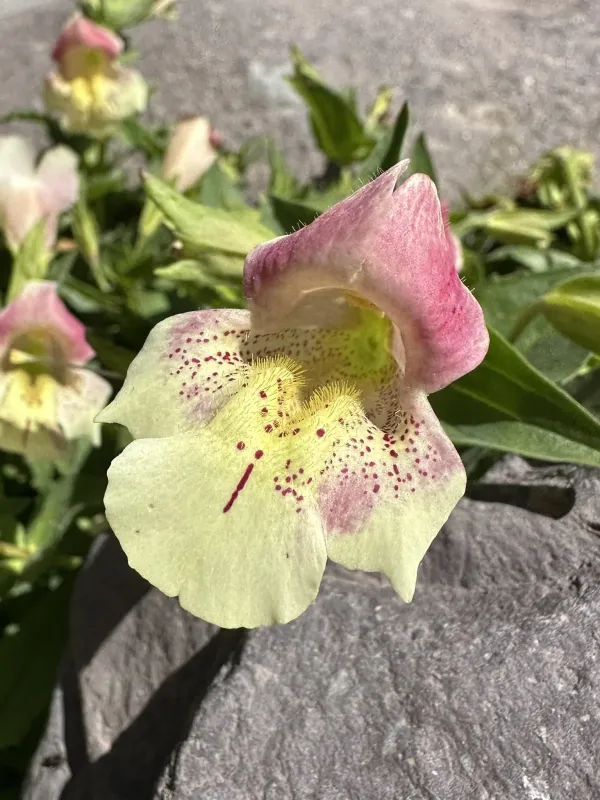
The botanical structure of this crop features upright stems and lanceolate foliage. Its most notable trait is the vibrant, tubular flower morphology, which serves as a significant ornamental asset, making it a popular choice for specialized floral projects and aesthetic gardening.
Regarding soil requirements, the plant thrives in well-draining, nutrient-rich substrates with a neutral or slightly acidic pH. Waterlogging is a significant threat, so incorporating coarse perlite or sand into the potting mix or planting site is highly recommended to ensure root aeration.
The climate requirements prioritize stable, moderate temperatures. Erythranthe naiandina is sensitive to high heat and prolonged direct sun exposure, which can lead to leaf scorching and premature wilting. Partial shade during peak afternoon hours is ideal for maintaining plant health.
General agrotechnical practices include maintaining consistent moisture levels in the soil without saturating it. Fertilization should be applied during the active growth phase, using a balanced liquid fertilizer to support vigorous development and abundant flowering throughout the season.
Harvesting
The primary use for Erythranthe naiandina is within the ornamental sector. It is frequently employed in high-end landscaping to provide color contrast and structural interest. It is also an excellent candidate for container gardening, allowing for flexible placement based on environmental needs.
Seed harvesting is conducted when the seed pods turn from green to brown, signaling physiological maturity. Care must be taken to gather seeds in dry weather conditions to prevent pathogen buildup, which can compromise germination rates during storage.
Vegetative propagation is achieved through stem cuttings. This method is preferred by growers looking to maintain consistent phenotypic traits. Cuttings should be kept in a humid environment with indirect light until a robust root system is established.
Maintenance tasks include the regular removal of spent blooms, known as deadheading. This practice prevents the plant from diverting energy into seed production and encourages subsequent flushes of flowers, thereby extending the plant's ornamental performance.
Winter care is critical for multi-year survival. In regions experiencing frost, the plant should be moved to a protected environment or heavily mulched to insulate the roots against freezing temperatures, ensuring the survival of the crown for spring regrowth.