
Young's barrenwort
Epimedium x youngianum Fisch. & C. A. Mey.
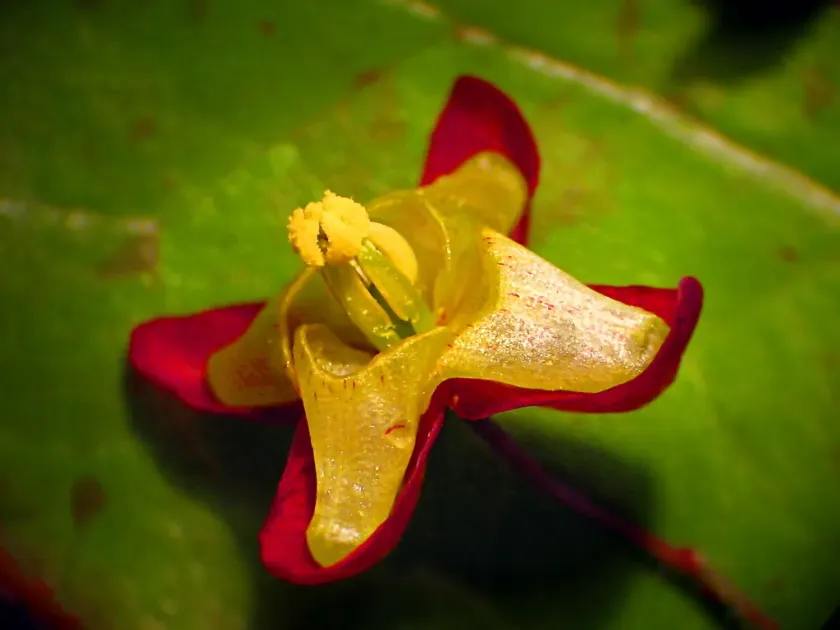
Description
Growing requirements
Young's barrenwort (Epimedium x youngianum) is a charming perennial belonging to the Berberidaceae family. Originally derived from Japanese flora, it has become a staple for temperate gardens due to its unique appearance.
The plant thrives in partial to full shade, mimicking its native habitat in woodland understories. Adequate shade protects the delicate foliage from scorching, which is critical for maintaining its ornamental value throughout the season.
Soil requirements focus on moisture retention combined with excellent drainage. A rich, loamy soil amended with organic matter like compost or leaf mold provides the best foundation for vigorous root system development.
Climatic adaptability is one of its strengths, as the species is hardy across a wide range of temperate zones. It handles cold winters effectively, especially when protected by a layer of mulch or seasonal snowfall.
In landscaping, it is utilized as a groundcover that suppresses weeds and provides texture to shady corners. Its aesthetic versatility makes it a favorite for rock gardens, woodland borders, and container arrangements.
Main diseases and pests
Slugs and snails are the most common pests for Young's barrenwort, particularly during the spring when tender shoots emerge. Management involves manual collection or the use of eco-friendly bait traps in the garden beds.
Root rot is the primary disease risk, usually triggered by waterlogged soil conditions. Ensuring the site is well-drained and avoiding irrigation saturation is the best preventative measure against this fungal threat.
Leaf spot pathogens can sometimes appear if the air circulation around the plants is poor. Thinning out overgrown clumps during the dormant season improves airflow and reduces the risk of foliage infection.
The plant generally demonstrates high resistance to common garden pests such as aphids or spider mites. Regular monitoring during the growth phase is typically sufficient to maintain plant health without chemical intervention.
Cultural hygiene, including the removal of dead foliage at the end of winter to promote new spring growth, is essential for disease prevention. Maintaining these standards ensures a long and productive lifespan for the plants.