
Epimedium pinnatum
Epimedium pinnatum Fisch. ex DC.
Description
Growing requirements
Epimedium pinnatum is a perennial herbaceous plant belonging to the Berberidaceae family. The species is native to the regions of the Caucasus and Iran, typically inhabiting forest floors and shady mountainous areas.
Cultivation requires well-drained, humus-rich soil that remains moist but not waterlogged. The plant thrives in neutral to slightly acidic soil conditions, making it an excellent choice for woodland garden settings.
The plant is known for its high level of hardiness, capable of surviving harsh winters with its leathery, semi-evergreen foliage. During the growing season, it prefers filtered light or deep shade, protecting it from direct afternoon sun.
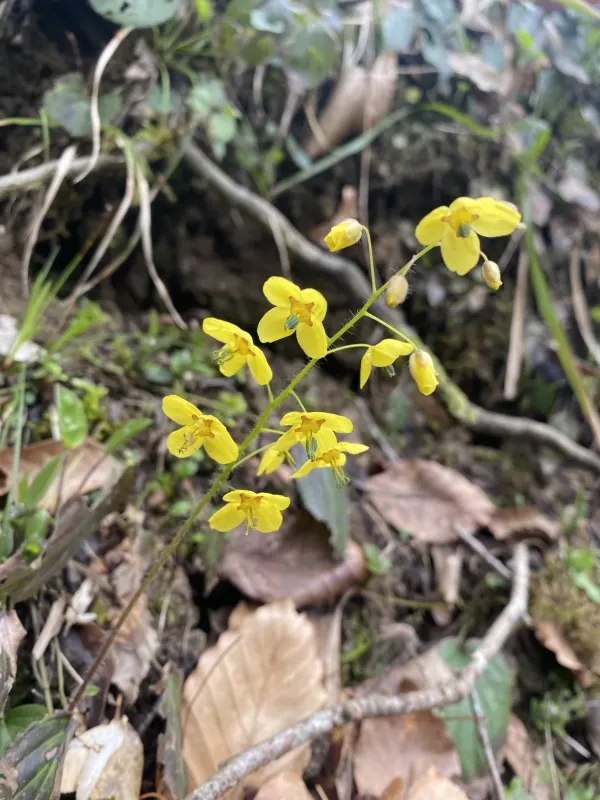
Botanically, it features creeping rhizomes that allow it to spread slowly over time. Its distinctive flowers, often yellow with characteristic spurs, emerge in spring, adding significant visual interest to the landscape.
Commercially, it is highly valued in horticulture as a groundcover for difficult shaded spots. Additionally, it has historical significance in traditional herbal practices, which continues to be studied in contemporary pharmacological research.
Main diseases and pests
Fungal infections, such as leaf rust and various leaf spots, are the most common diseases affecting the plant, especially in high-humidity environments with poor air circulation.
Slugs and snails present the most significant pest pressure, particularly in the spring when new, tender growth is emerging from the dormant rhizomes.
Root rot caused by poor soil drainage remains a major physiological threat to the health of the plant, often leading to rapid decline during wet seasons.
To minimize disease impact, gardeners should ensure adequate spacing between plants and remove any decaying foliage before the new season begins.
Integrated pest management strategies, such as physical barriers or biological controls, are recommended over heavy chemical application to maintain the plant's health.