
Warley epimedium
Epimedium x warleyense Stearn
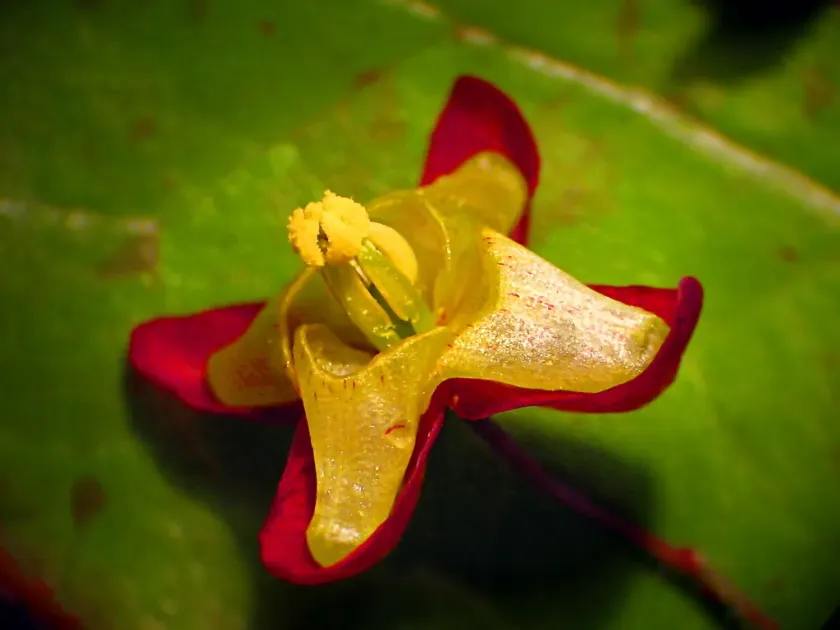
Description
Growing requirements
Warley epimedium (Epimedium x warleyense) is a perennial flowering plant belonging to the Berberidaceae family. It is a sterile hybrid derived from E. alpinum and E. pinnatum subsp. colchicum, valued for its vigorous growth and ability to form an attractive ground cover.
This species thrives in partial to full shade, making it a perfect candidate for woodland gardens or shaded border areas. It prefers locations protected from harsh, direct sunlight which can scorch its delicate foliage during the hot summer months.
The ideal soil profile for Epimedium x warleyense is well-draining, moisture-retentive, and rich in organic matter. It performs best in soils with a slightly acidic to neutral pH, allowing the rhizomatous root system to spread effectively and establish a stable mat.
Regarding climate, Warley epimedium is known for its hardiness. It can survive in various temperate zones, provided it receives sufficient moisture throughout the growing season and is protected from extremely drying winds that could damage its evergreen or semi-evergreen leaves.
Maintenance is relatively straightforward: cultural practices involve mulching with leaf mold or compost to maintain soil fertility and moisture. In early spring, removing old foliage is recommended to expose the rising flower stems and improve the overall aesthetics of the display.
Main diseases and pests
While generally robust, Warley epimedium can occasionally be susceptible to fungal diseases such as powdery mildew, especially if planted in areas with poor air circulation or excessive humidity during the summer season.
Leaf spot infections may occur under suboptimal conditions, leading to cosmetic damage. Maintaining hygiene by removing debris and ensuring adequate spacing between individual plants helps mitigate these fungal issues.
Slugs and snails are the most common pests, particularly affecting young foliage and emerging stems during the spring months. Applying protective barriers or eco-friendly deterrents around the plants is often sufficient to prevent significant damage.
Soil-borne pests like vine weevils may occasionally attack the roots, although this is uncommon in healthy, well-established plantings. Monitoring for wilting or irregular growth patterns is essential for early detection.
The plant demonstrates high resilience against most common garden challenges. With proper site selection—focusing on drainage and appropriate shade levels—Warley epimedium remains a low-maintenance, long-lived addition to any shade garden.