
Epimedium perralchicum
Epimedium x perralchicum Stearn
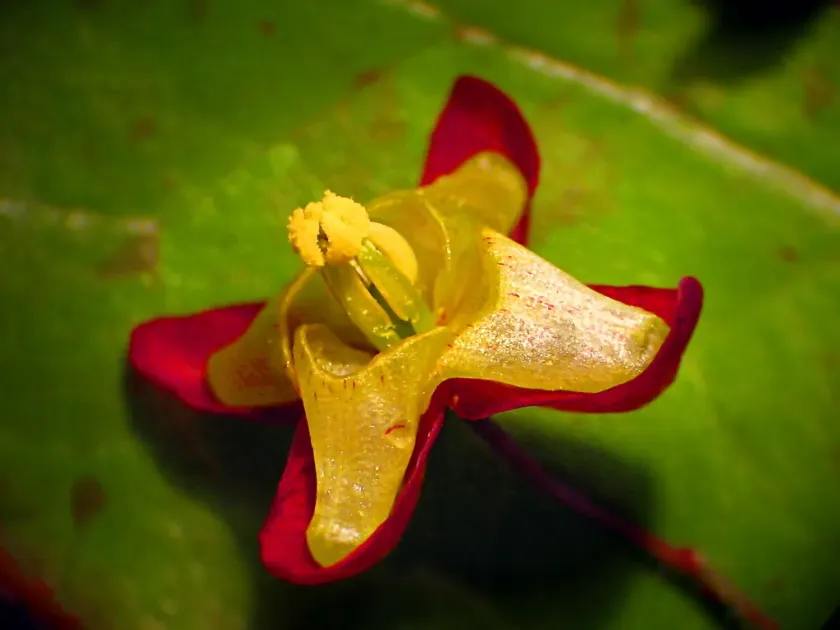
Description
Growing requirements
Epimedium perralchicum is an interspecific hybrid belonging to the Berberidaceae family. This plant is a hardy evergreen or semi-evergreen perennial valued in ornamental gardening for its exceptional durability and ability to form a dense foliage cover.
Naturally, the ancestors of this species originate from the mountainous regions of Algeria and Turkey. In cultivation, the plant is well-adapted to temperate climates, preferring partial shade or fully shaded areas in the garden. It successfully tolerates moderate frosts, maintaining its foliage beauty even during winter under sufficient snow cover.
For successful growth, the culture requires fertile, well-drained soils with a neutral or slightly acidic reaction. It is crucial to avoid moisture stagnation in the root zone, as this can lead to root rot. At the same time, the plant exhibits high drought tolerance once well-established in its location.
Cultivation techniques include regular watering during prolonged dry spells and spring mulching with organic materials, which mimics forest litter. The plant responds well to complex mineral fertilizers applied in early spring, which stimulates vigorous shoot growth and abundant flowering in mid-spring.
The agricultural and ornamental use of this species is centered on landscape design. It is used for landscaping around tree trunks, creating borders in shade gardens, and as a groundcover plant that suppresses weeds due to its dense root system structure and thick foliage.
Main diseases and pests
Epimedium perralchicum is characterized by high natural resistance to diseases and pests. In conditions of waterlogged soil, fungal infections of the root system, such as root rots, can occur.
In extremely rare cases, leaf spots of viral or bacterial origin may appear on the foliage, requiring the removal of infected plant parts to prevent the spread of the infection.
Among pests, slugs and snails pose the greatest danger, as they can damage young spring leaves. To protect plantings, it is recommended to use barrier methods or specialized molluscicides.
Occasionally, aphids or spider mites may appear on the plant during periods of extreme heat. To control them, broad-spectrum insecticides or biological control agents are employed.
Overall, compliance with agricultural standards and proper site selection minimize the risks of pest and disease infestation, making this a low-maintenance crop.