
Barrenwort
Epimedium grandiflorum C. Morren
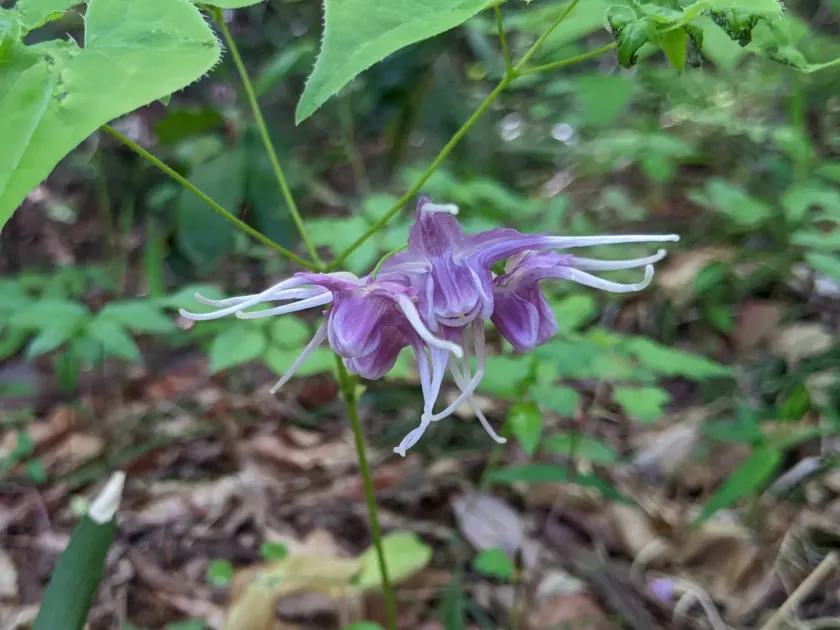
Description
Sowing dates
Epimedium grandiflorum, commonly known as barrenwort, is a herbaceous perennial belonging to the Berberidaceae family. The most effective way to propagate from seed is by sowing them immediately after harvest in the autumn, as they require a stratification period to germinate properly.
For those preferring vegetative propagation, dividing the rhizomes is the standard practice. This operation is best performed in early spring before active growth begins, or in late summer to ensure the root system is well-established before the ground freezes.
The planting site should be carefully prepared by enriching the soil with organic matter such as compost or leaf mold. Proper spacing is essential, with plants set at least 30 to 40 cm apart to allow for lateral rhizome expansion.
Growth during the first two years is relatively slow as the plant focuses on developing its subterranean network. Patience is required, as true perennial characteristics and full bloom capacity generally manifest from the third year onward.
When planting, ensure that the rhizomes are placed just below the soil surface, about 3–5 cm deep. Covering them too deeply can prevent new buds from emerging, while surface planting may lead to desiccation.
Growing requirements
Barrenwort is native to the woodland areas of Japan, Korea, and China, which dictates its preference for dappled shade or full shade. Harsh, direct sunlight will quickly scorch the delicate, heart-shaped foliage.
The ideal soil is moisture-retentive yet well-draining, typically slightly acidic to neutral in pH. Amending heavy soils with grit or coarse sand can significantly improve the drainage conditions necessary for the plant's health.
The species is remarkably cold-hardy, surviving in temperate climates with ease. However, providing a layer of mulch in late autumn serves as an excellent protection against frost heaving, especially for young, newly planted individuals.
Watering requirements are moderate; the plant prefers consistent soil moisture but dislikes being waterlogged. During established periods, it can withstand occasional dry spells, although foliage quality may diminish if drought is prolonged.
To keep the plant looking its best, cut back old leaves in late winter before the spring flush of new growth begins. This cleaning practice ensures that the emerging flowers are clearly visible and not obscured by withered remains.
Main diseases and pests
Epimedium grandiflorum is generally considered a low-maintenance and disease-resistant plant. The primary threat to its health is root rot, which typically stems from poor soil drainage or excessive irrigation in heavy substrates.
Slugs and snails can be a nuisance during the cool, wet spring months, as they find the fresh, emerging shoots particularly appetizing. Implementing natural barriers or hand-picking are the most common strategies for control.
Viral infections, such as mosaic virus, can occasionally affect foliage, manifesting as mottled patterns. There is no chemical cure for these viruses, so immediate removal and destruction of the infected plants is the only way to protect the rest of the patch.
Preventative care is highly effective; ensuring good airflow between clumps reduces the chance of fungal outbreaks. Avoid overhead watering to keep the foliage dry and prevent the spread of spore-borne diseases.
Overall, maintaining a clean gardening space free of decaying debris around the crown of the plant helps discourage pests. A healthy, well-fed plant in the correct shade environment will rarely suffer from significant pest or disease pressure.