
Epimedium pinnatum subsp. colchicum
Epimedium pinnatum Fisch. ex DC. subsp. colchicum (Boiss.) N. Busch
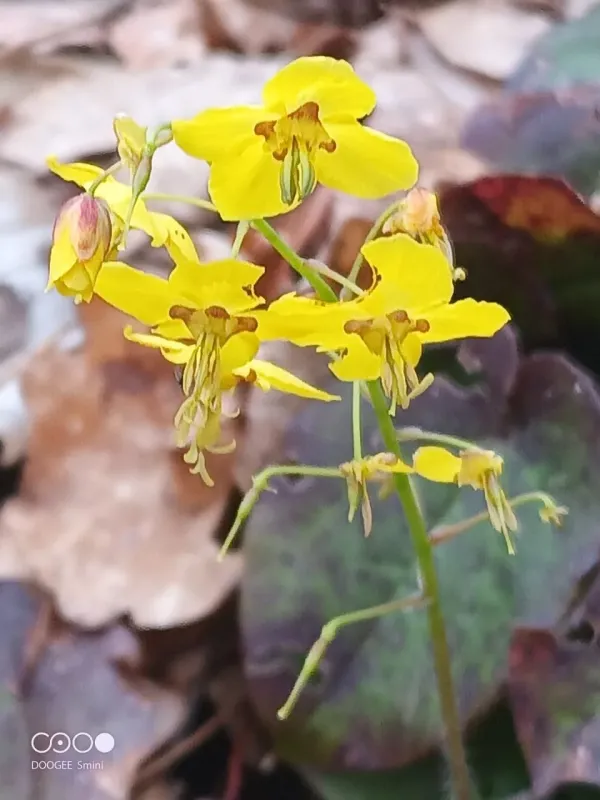
Description
Growing requirements
Epimedium pinnatum subsp. colchicum is a distinctive herbaceous perennial belonging to the Berberidaceae family. Originating from the forests of the Caucasus and Turkey, it is highly valued for its evergreen foliage and elegant yellow flowers.
As a forest plant, it thrives in shaded or semi-shaded environments. It is perfectly adapted to the dappled light found beneath canopy trees, making it an excellent candidate for woodland gardens and shaded border landscapes.
The ideal growing medium for this species is a humus-rich, well-draining soil with a slightly acidic to neutral pH level. Proper drainage is crucial, as the plant's rhizomes are prone to decay in waterlogged conditions.
Cultivation requirements include moderate watering, especially during the establishment phase. Once mature, the plant displays good drought tolerance, although mulching with organic matter is recommended to retain soil moisture and suppress weeds.
In landscape design, this species is utilized as a durable ground cover. Its ability to create dense, weed-suppressing mats, combined with its resistance to shade and competition from tree roots, makes it a staple for low-maintenance gardening.
Main diseases and pests
The primary pests affecting this species are slugs and snails, particularly in the spring when new growth emerges. Their feeding activity can significantly damage the foliage, leading to a loss of ornamental value.
Fungal diseases, such as leaf spot or root rot, typically arise in environments with poor air circulation or excessive moisture. Ensuring that planting sites are well-ventilated is a primary preventive measure against these issues.
Root health is vital for the survival of Epimedium. If the soil remains saturated for long periods, the rhizomes may suffer from rot, which is difficult to reverse once it has taken hold of the plant.
To minimize threats, gardeners should implement regular sanitation practices, such as removing dead leaves in late winter before the new growth starts. This practice reduces the hiding spots for pests and spores of fungal pathogens.
When grown in suitable conditions with proper spacing, the plant is remarkably robust. Chemical control is rarely needed, as cultural practices and environmental management are usually sufficient to maintain a healthy population.