
Bi-color barrenwort
Epimedium x versicolor C. Morren
Description
Growing requirements
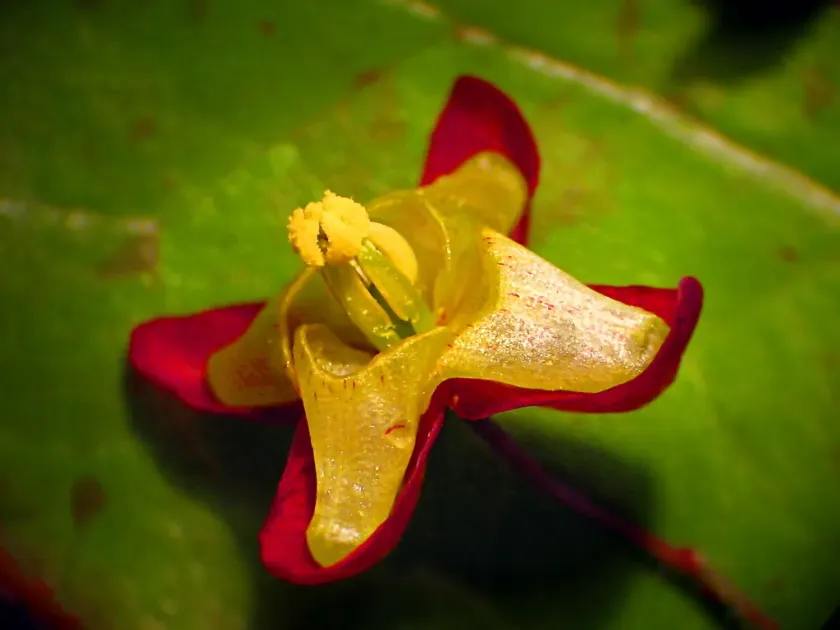
Bi-color barrenwort (Epimedium x versicolor) is a charming herbaceous perennial belonging to the Berberidaceae family. As a hybrid between E. grandiflorum and E. pinnatum, it is widely prized for its delicate flowers and attractive, heart-shaped foliage.
The plant thrives in partial to full shade, making it an excellent choice for woodland gardens or shaded borders. It is highly valued as a groundcover, capable of covering large areas beneath trees where other plants might struggle to establish due to light limitations.
Regarding soil requirements, this plant prefers fertile, humus-rich soil that is well-drained but retains consistent moisture. It performs best in a slightly acidic to neutral environment and does not tolerate waterlogged conditions, which can lead to root rot.
Routine care involves moderate watering during dry spells and a spring cleanup, which includes removing the previous year's foliage to allow the new, often brightly colored growth to emerge unhindered. This helps maintain the plant's aesthetic appeal throughout the season.
Propagation is usually achieved by division during early spring or autumn. Once established, Epimedium x versicolor is remarkably hardy and low-maintenance, requiring little more than occasional mulch to protect the roots from extreme temperature fluctuations.
Main diseases and pests
While generally considered a disease-resistant plant, barrenwort can occasionally be affected by fungal issues such as rust or leaf spot, especially in environments with poor air circulation or excessive humidity during the summer months.
Slugs and snails are the most common pests, as they are drawn to the succulent young foliage in early spring. Heavy infestations can lead to significant aesthetic damage, requiring intervention to protect the health and look of the plants.
To prevent disease outbreaks, gardeners should ensure adequate spacing when planting to promote air movement. Avoiding overhead irrigation can also reduce the likelihood of fungal pathogens colonizing the leaf surfaces.
In cases of pest damage, manual collection of slugs or the application of organic baits can be highly effective. Keeping the garden area free of debris where pests might hide is a fundamental part of the integrated management strategy.
Monitoring the plants regularly allows for early detection of issues. By maintaining optimal growing conditions, you ensure that the plants remain vigorous and less susceptible to the environmental stresses that often trigger infections.