
Entada spiralis
Entada spiralis
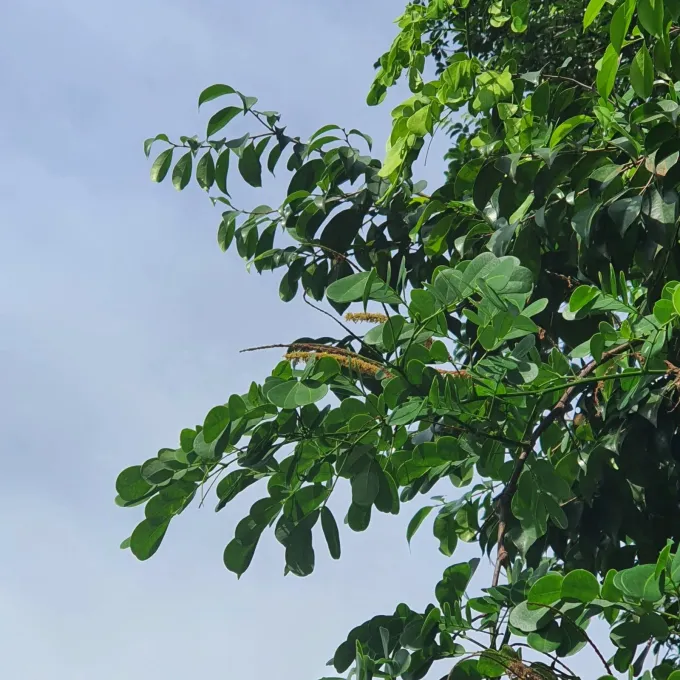
Description
Sowing dates
Sowing of Entada spiralis seeds typically aligns with the onset of the rainy season, which provides the necessary hydration to break dormancy.
Seeds are known for their extremely hard seed coat, which necessitates mechanical or chemical scarification to facilitate germination in a nursery setting.
Maintaining a constant soil temperature between 25 and 30 degrees Celsius is vital for achieving uniform and rapid emergence of seedlings.
Seeds should be planted at a depth of approximately 3 to 5 centimeters in a well-drained, porous growing medium to prevent seedling rot.
Consistent moisture management during the first few weeks post-germination is crucial, as the young root system is highly sensitive to desiccation.
Growing requirements
Entada spiralis belongs to the Fabaceae family and thrives as a vigorous woody vine, adapted for climbing in tropical forest environments.
The species requires substantial indirect sunlight and performs best when provided with robust support structures that mimic its natural habitat.
Soils should be deep, fertile, and exhibit excellent drainage properties to prevent the accumulation of water around the main taproot of the vine.
High relative humidity and stable thermal conditions are essential for maintaining healthy foliage and supporting the plant's metabolic processes.
While the plant is hardy in tropical regions, it does not tolerate cold snaps or prolonged dry spells, which can cause significant leaf drop.
Yield
The economic yield of this culture primarily consists of its large, durable seeds, which are harvested for various industrial and medicinal purposes.
An established vine can produce a significant number of pods annually, provided that the canopy is healthy and free from competitive overgrowth.
Harvesting efficiency is heavily dependent on the access to the upper forest canopy where the majority of the mature pods typically develop.
The seeds are valued for their resilience and biochemical composition, often being traded in local markets for specialized manufacturing applications.
Yield optimization is achieved through careful nutrient management, particularly the application of organic fertilizers during the primary growth cycle.
Main diseases and pests
The primary threats to Entada spiralis include tropical leaf-eating caterpillars that can quickly defoliate large sections of the vine in short periods.
Root rot pathogens are a persistent issue in soils with poor aeration, often triggered by excessive water retention during the peak rainy seasons.
Powdery mildew may manifest as a white film on the leaves, especially in stagnant air conditions where humidity remains consistently high without breeze.
Integrated pest management strategies are recommended, focusing on the preservation of natural predators to keep pest populations at manageable levels.
Regular monitoring and physical removal of symptomatic leaves help prevent the spread of localized infections to the rest of the vine structure.
Harvesting
Harvesting should be timed for when the pods reach full physiological maturity, indicated by the hardening and darkening of the external husk.
Given the vine's climbing nature, safety measures are required to reach the pods safely without damaging the stems or supporting tree structures.
After collection, the pods must be carefully dried in a well-ventilated area to reduce moisture content and prevent fungal colonization of the seeds.
The extraction of seeds from the pods involves manual opening, requiring precision to avoid damaging the outer seed skin during the cleaning process.
Proper storage involves keeping seeds in dry, cool conditions with adequate airflow to maintain viability for long-term agricultural or commercial use.