
Entada rheedei
Entada rheedei
Description
Sowing dates
Entada rheedei is typically propagated from seeds. Due to their thick, protective seed coat, mechanical scarification is often required to ensure successful germination.
Seeds should be planted in a loose, well-draining substrate, burying them to a depth of approximately 2 to 3 centimeters for optimal growth.
A consistent warm environment is crucial, with temperatures ranging from 25 to 28 degrees Celsius, which is essential to trigger seed activation.
Proper soil moisture must be maintained throughout the germination period, although care must be taken to avoid waterlogging the seeds.
Seedlings should be nurtured in a controlled environment until they develop a strong root system before being transitioned to their final location.
Growing requirements
Entada rheedei is a large woody vine belonging to the Fabaceae family, native to tropical regions of Africa, Asia, and Australia.
The plant demands a warm climate and is highly sensitive to frost, necessitating protection or indoor cultivation in cooler temperate zones.
A fertile, loamy soil with excellent drainage is preferred, as this species cannot tolerate standing water, which quickly causes root issues.
As a vigorous climbing plant, it requires sturdy structural support or trellises to facilitate its rapid vertical growth habit.
High humidity levels and consistent sunlight are essential for the vine to flourish and maintain its dense, lush foliage.
Yield
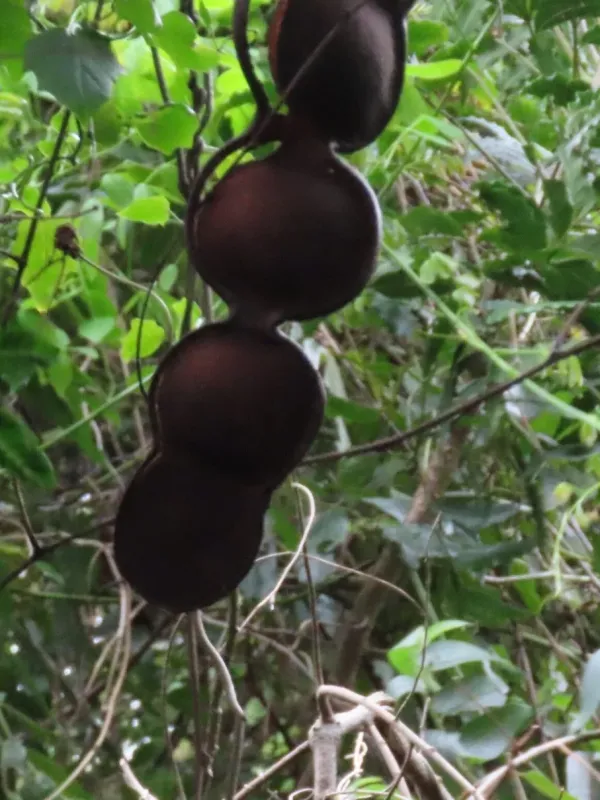
The yield of Entada rheedei is primarily focused on its large, distinct bean pods, which can reach remarkable lengths of up to one and a half meters.
Productivity is highly dependent on environmental conditions, including light exposure and access to essential soil nutrients throughout the growing season.
Mature plants begin to produce pods after several years of growth, with yields increasing significantly as the vine establishes a robust crown.
Effective management involves regular pruning to encourage better airflow and to focus the plant's energy on pod development.
Harvesting strategies vary based on whether the intended goal is seed propagation or the collection of plant biomass for various applications.
Main diseases and pests
The plant is susceptible to fungal infections, particularly if stagnant air and high humidity are present, leading to leaf spot or mildew.
Pests like spider mites and aphids are known to target young shoots, potentially hindering the plant's development during the peak growing season.
Root rot caused by poor soil drainage remains the most significant threat to the overall longevity and health of the plant.
Caterpillars and other leaf-eating insects may also cause physical damage to the foliage, which can stress the vine if left uncontrolled.
Maintaining a balanced ecosystem around the plant, combined with proper hygiene and regular inspections, is the best defense against threats.
Harvesting
Pods should be harvested when they are fully mature, typically marked by a deep brown color and a distinct drying of the outer pod walls.
Timing is critical; harvest should occur before the pods naturally split open on the vine to prevent seed loss or damage.
Post-harvest, pods should be dried in a ventilated area to remove residual moisture before the seeds are carefully extracted.
Seeds need to be sorted and stored in breathable containers, such as cloth bags, in a cool and dry location to maintain their viability.
Proper handling during harvest ensures that the seeds remain intact, preserving their quality for subsequent commercial or planting purposes.