
Entada africana
Entada africana
Description
Growing requirements
Entada africana is a perennial woody plant belonging to the Fabaceae family. Typically growing as a shrub or a small to medium-sized tree, it is a prominent species within the diverse flora of the African savannahs and woodlands.
The native distribution of this species spans across the African continent, particularly in regions with distinct dry and wet seasons. It is well-adapted to savanna environments, displaying remarkable resilience to extreme heat and prolonged droughts.
In terms of soil requirements, Entada africana is known for its hardiness. It thrives in well-drained soils, including sandy and rocky substrates where other crops might struggle to survive without intensive inputs.
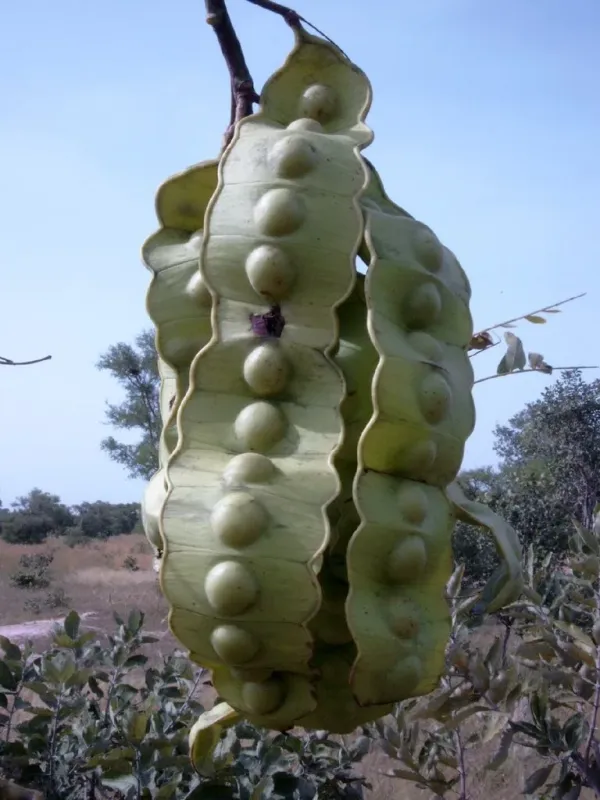
Botanical traits include compound pinnate leaves and large, flattened woody pods. The tree also forms symbiotic relationships with nitrogen-fixing bacteria, which significantly contributes to soil fertility improvement in agroforestry systems.
Economically, the plant is highly valued for its timber, which is used locally for various tools, and its bark and seeds, which are frequently employed in traditional medicinal practices across its native range.
Main diseases and pests
Entada africana is generally resistant to many common pests due to the presence of secondary metabolites, such as tannins and alkaloids, which act as a natural deterrent against many herbivores.
Young seedlings are occasionally vulnerable to browsing by wild animals and livestock, necessitating protection measures such as fencing during the initial stages of establishment in plantations.
Fungal infections can occur if the root zone is subjected to waterlogging, particularly in heavy clay soils. Ensuring proper drainage is essential for maintaining the overall health of the tree.
Seed-boring insects can pose a challenge during storage or in the early germination phase, often requiring careful seed selection and proper handling to maintain high viability rates.
Effective management includes regular monitoring of tree health, particularly during the rainy season when high humidity levels can facilitate the growth of epiphytic plants on the bark.