
Entada polystachya
Entada polystachya
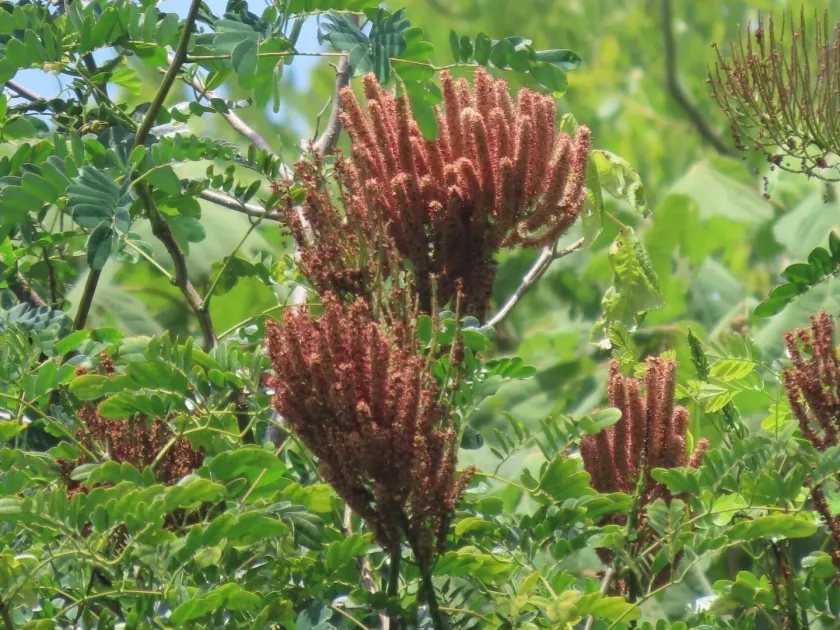
Description
Sowing dates
Entada polystachya is a vigorous tropical woody vine within the Fabaceae family. Propagation primarily occurs through seeds, which feature a hard, resistant coat necessitating scarification to ensure uniform and efficient germination.
For planting, seeds are soaked in warm water to soften the seed coat, facilitating quicker imbibition. Sowing is best timed during periods of sustained warmth, with temperatures consistently above 25 degrees Celsius for optimal seedling development.
The substrate for cultivation should be well-draining, typically consisting of a sandy-loam mix rich in organic matter. Proper aeration is crucial, as the young roots of Entada polystachya are highly susceptible to rot in waterlogged conditions.
Seedlings are maintained in nursery conditions until they reach a robust size before being transplanted to the field. Consistent moisture is required during the early stages, but the soil must be allowed to drain effectively between watering intervals.
Given its climbing nature, Entada polystachya requires sturdy support structures. Planting patterns must account for the vine's rapid biomass expansion, with spacing typically maintained at 3 to 4 meters to allow for adequate ventilation.
Growing requirements
As a tropical species, this crop thrives in warm, humid climates and is intolerant of frost. The ideal temperature range for vegetative growth is between 22 and 32 degrees Celsius, ensuring constant metabolic activity.
Sunlight is a key environmental factor for Entada polystachya. While young plants benefit from partial shade, mature specimens require full sun exposure to maximize photosynthetic output and stimulate flower production.
The soil should have a neutral to slightly acidic pH, ideally between 6.0 and 7.5. High levels of organic fertility in the soil promote faster stem elongation and healthier foliage, contributing to the overall vigor of the vine.
Water management is critical. Although established plants can withstand short periods of water stress, consistent moisture availability is necessary for optimal productivity in a farming setting. Drip irrigation is the preferred method.
The vine is sensitive to salt accumulation in the soil, which can inhibit nutrient uptake. Periodic monitoring of soil salinity and the use of balanced fertilization programs are essential for preventing chlorosis and promoting growth.
Yield
The agricultural productivity of Entada polystachya is measured by its high output of woody and green biomass. This plant is often cultivated for its rapid growth rate, making it an efficient producer of botanical materials.
The fruit, consisting of large, flat pods containing seeds, holds the primary economic value. Seed yield is heavily influenced by the presence of local pollinators, making the health of the surrounding ecosystem vital for production.
Secondary metabolites extracted from the bark and seeds of the plant are utilized in the pharmaceutical and cosmetic industries. Harvesting these parts requires careful timing to ensure the highest concentration of active compounds.
Strategic pruning is essential to maintain high yield levels. By removing older, less productive stems, the plant allocates resources to newer growth, which effectively increases the total amount of harvestable material.
Under optimal management, yield peaks within 4 to 6 years. Farmers often implement a rotational harvest system to ensure that a portion of the field is always in its peak production phase, maximizing economic return.
Main diseases and pests
Root rot caused by fungal pathogens like Phytophthora is the most significant threat to Entada polystachya. This is exacerbated by excessive irrigation and poor soil drainage, which compromise the plant's immune system.
Pests, particularly aphids and spider mites, pose a risk to the tender leaves and young stems. These insects thrive in dry environments and can multiply rapidly, necessitating prompt biological or chemical interventions.
Integrated Pest Management (IPM) is recommended to control populations of harmful insects without disrupting the local pollinator community. The use of predatory mites or natural soaps can effectively manage minor infestations.
Leaf-chewing insects can also reduce the photosynthetic capacity of the vine. Regular scouting of the plantation allows farmers to identify and isolate infested areas before the damage becomes extensive across the field.
Sanitation practices, such as removing fallen leaves and pruning diseased branches, are vital for disease prevention. Maintaining distance between vines ensures proper airflow, which reduces humidity around the foliage and discourages mold.
Harvesting
Harvesting of the pods is performed manually once they reach full maturity, indicated by a transition from green to a dark brown or blackish color. Careful handling is necessary to prevent premature splitting of the pods.
Post-harvest, the plant material must be dried in a low-humidity environment. Proper drying is crucial to preserve the chemical integrity of the seeds and to prevent the development of mold, which can destroy the batch.
Seeds are extracted from the pods and cleaned to remove debris and residual chaff. Once cleaned, they are placed in moisture-resistant storage containers, kept in cool and dark conditions to maintain long-term viability.
Bark harvesting is conducted according to specific schedules that do not threaten the overall survival of the plant. Sustainable stripping techniques ensure that the vine can recover and continue its growth cycle after harvesting.
Proper record-keeping regarding the time and conditions of harvest ensures that the quality of the product remains consistent. This attention to detail is necessary for meeting the quality standards of global industrial markets.