
Entada phaseoloides
Entada phaseoloides
Description
Sowing dates
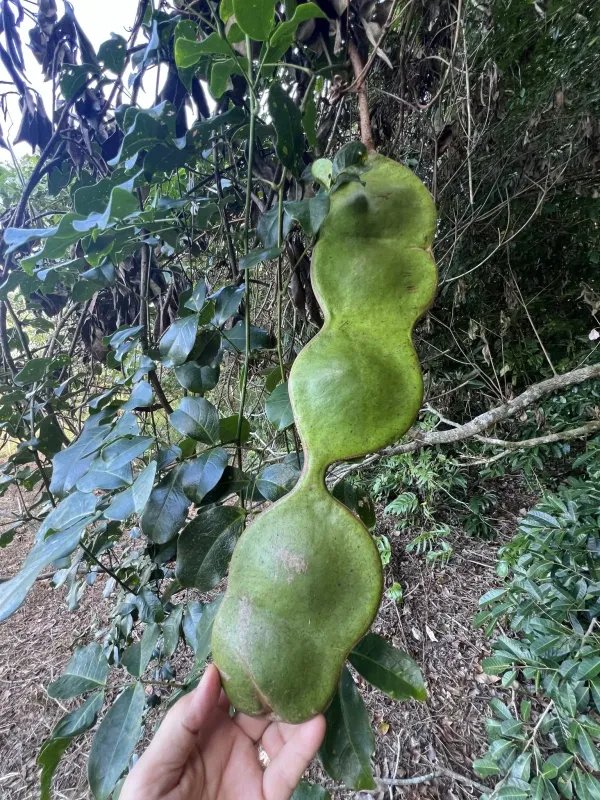
Entada phaseoloides is a woody liana belonging to the Fabaceae family, native to tropical regions across Asia, Africa, and Australia. It is characterized by its exceptionally large pods and durable seeds, which are well-adapted to dispersal through water bodies.
Propagation is primarily achieved via seeds, which possess a thick and impermeable seed coat. Scarification is essential before planting to allow moisture penetration, significantly improving germination rates and uniformity in a controlled agricultural setting.
Seeds should be sown in a high-quality, well-drained medium. Maintaining a tropical environment with temperatures between 26°C and 30°C is crucial for successful seedling emergence. The substrate must remain consistently moist but never waterlogged to avoid seed decay.
Once established, the seedlings exhibit rapid growth and require sturdy trellising to support their climbing habit. As they adapt to the environment, they need protection from extreme direct sunlight during the initial stage, transitioning to full exposure as they mature.
The optimal time for sowing is at the beginning of the rainy season. This timing leverages natural humidity and increased precipitation, which are vital for the development of the primary root system and the subsequent explosive vegetative growth.
Growing requirements
As a tropical species, Entada phaseoloides demands high year-round temperatures and protection from cold snaps or frost. The plant thrives best in areas where the climate remains stable, avoiding significant seasonal temperature fluctuations.
Soil structure is critical; the liana requires deep, fertile, and well-aerated soils. While it can adapt to various soil types, loamy textures that provide a balance between drainage and moisture retention yield the best plant vigor and health.
High relative humidity is essential for maintaining the health of the large, complex leaves. In arid environments, supplemental misting or irrigation is necessary to prevent leaf desiccation and to keep the metabolic processes within the plant functioning efficiently.
Light requirements shift as the plant matures. While young plants benefit from partial shade, the adult vine requires full sun exposure to stimulate flowering and the production of its massive wooden seed pods, which are a hallmark of the species.
Nutrient management involves regular application of balanced fertilizers during the active growing season. Providing organic matter or compost within the root zone promotes beneficial soil microbiology and sustains long-term growth of the perennial vine.
Yield
The yield of Entada phaseoloides is focused on the large woody pods produced by mature specimens. Unlike food crops, this plant is cultivated for its raw material, which finds applications in specialized industries, including cosmetics and natural product manufacturing.
Harvesting is typically performed once the pods have fully matured and dried on the vine, changing to a dark brown color. Manual collection ensures that the seeds are not damaged during the process, maintaining their structural integrity and chemical properties.
Post-harvest management is vital; pods must be dried in well-ventilated areas to prevent fungal contamination. Proper handling preserves the saponins and other secondary metabolites that give the seeds their economic value in pharmacology and artisanal crafts.
Given the multi-year nature of the plant, productivity increases as the root system deepens and the vine covers a larger support area. Ongoing agricultural research focuses on selecting elite genetic lines that offer higher consistency in seed chemical composition.
Sustainable cultivation practices emphasize leaving part of the vegetation cover intact to maintain soil structure. The long-term production cycle necessitates careful management of the vine's architecture to facilitate easy access during the harvest period.
Main diseases and pests
Fungal infections, particularly root and stem rots, are the most significant threats to the crop. These are often triggered by improper drainage or poor air circulation within the vine canopy, emphasizing the need for strategic pruning and spacing.
Pests such as scale insects and aphids often infest tender young shoots and leaves. Management strategies involve regular scouting and the use of integrated pest management (IPM) practices to control populations without harming the plant's overall vigor.
Root zone health is paramount; the presence of soil-borne larvae can weaken the plant's foundation. Maintaining a clean cultivation site and applying preventative organic treatments can minimize the impact of these agricultural pests.
Physical damage to the main stem can lead to secondary bacterial infections or necrotic lesions. All pruning activities should be performed using sanitized tools during dry weather conditions to ensure rapid wound healing and disease prevention.
Over-fertilization with nitrogen can lead to excessive, succulent growth that is more susceptible to insect attacks. A balanced nutrient approach is recommended to ensure robust tissue development and a stronger natural resistance to potential stressors.