
Entada abyssinica
Entada abyssinica
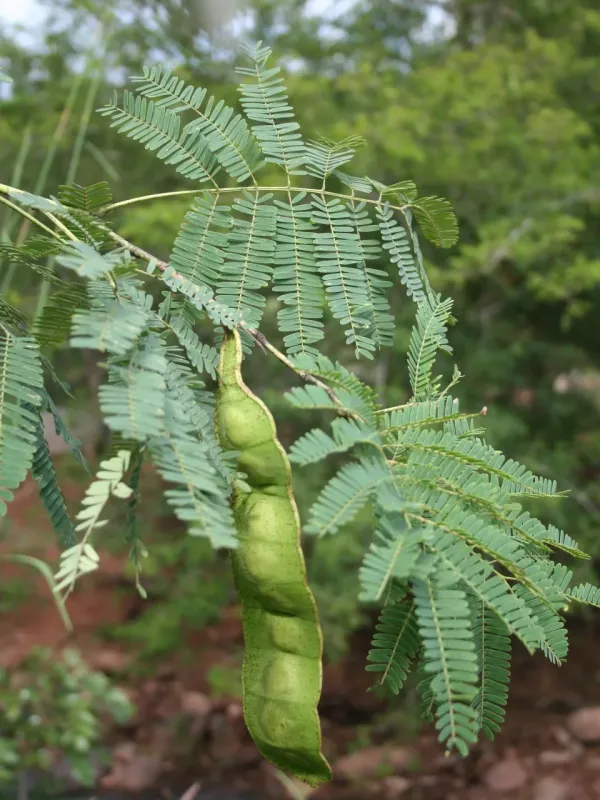
Description
Sowing dates
Propagation of Entada abyssinica is primarily achieved through seeds. Due to their hard seed coat, pre-treatment such as scarification or soaking in warm water is necessary to improve germination rates.
In nurseries, seeds should be sown in pots with well-draining soil. The best time for planting is the onset of the rainy season to provide the seedlings with natural moisture.
Seedlings are transplanted to their permanent location once they reach a height of 30 to 50 centimeters. This stage of development ensures a higher rate of survival in the field.
Proper soil preparation in planting pits is essential. Adding organic matter or compost helps young trees establish their root system more efficiently during the initial growth phase.
Consistent weeding and watering during the first two years are crucial for young plants. Once established, the trees demonstrate strong resilience and drought tolerance.
Growing requirements
Entada abyssinica is a deciduous tree belonging to the Fabaceae family. It is a light-demanding species that thrives in full sun, making it ideal for open landscape management.
The tree adapts to various soil types, including sandy and loamy soils, provided they are well-drained. It is particularly known for its ability to grow in poor or degraded lands.
It prefers tropical and subtropical climates with temperatures typically between 20 and 30 degrees Celsius. It can withstand extended dry seasons, making it a reliable tree for harsh environments.
As a nitrogen-fixing legume, Entada abyssinica plays a vital role in soil fertility. It enriches the ground with nitrogen, which benefits surrounding agricultural crops.
In agroforestry systems, this tree is frequently used as a shade provider for sensitive crops like coffee. It helps modulate microclimate conditions and preserves soil moisture.
Yield
The wood of Entada abyssinica is highly valued for construction, furniture making, and carpentry. Its durability makes it a preferred choice for local craftsmen.
Bark and seeds are commonly used in traditional medicine for their therapeutic properties. The tree serves as an important source of raw materials for local health practitioners.
The tree provides ecological services by controlling soil erosion. Its extensive root system stabilizes the soil, protecting agricultural fields from the harmful effects of water runoff.
Entada abyssinica contributes to biodiversity by supporting a wide range of beneficial insects and birds, creating a healthier farm environment.
The long-term economic yield is realized through the tree's multifaceted utility, including timber production and its positive impact on the overall productivity of the farmland.
Main diseases and pests
Fungal infections can become a threat if the planting site is characterized by waterlogging or poor air circulation within the tree canopy.
Certain insect pests, particularly borers and seed-eating larvae, can cause significant damage if the plantation is not monitored regularly for infestation.
Herbivory is a primary concern for young saplings. Protective fencing is strongly advised in areas where wild animals or domestic livestock might access the trees.
Root rot is a major risk in soils that remain consistently water-saturated. Careful site selection is the best preventative measure against this threat.
Sanitary pruning is essential to prevent the spread of diseases. Removing dead or infected branches helps maintain the overall health and vigor of the tree population.