
Entada scelerata
Entada scelerata
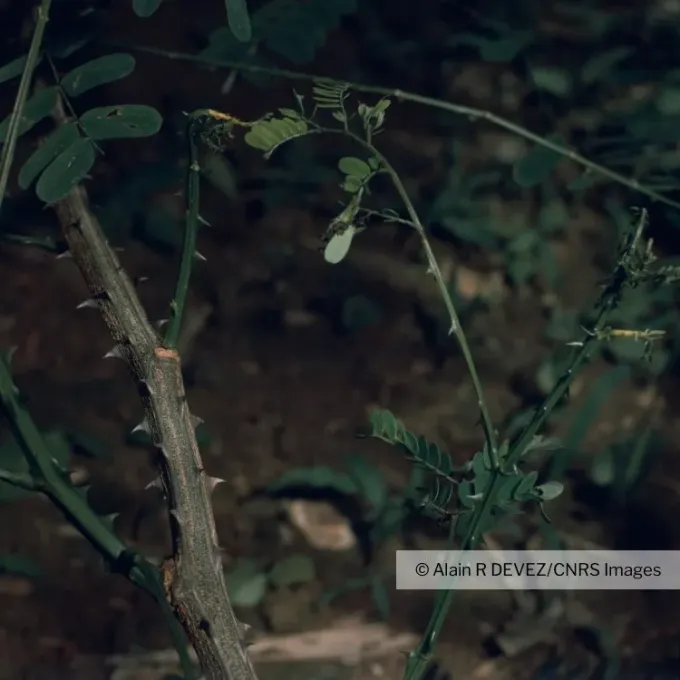
Description
Sowing dates
Sowing of Entada scelerata usually aligns with the onset of the rainy season, which is crucial for providing the moisture needed to trigger germination in the field.
Due to the tough seed coat, pre-sowing scarification is a standard practice to enhance water absorption and achieve uniform seedling emergence across the plantation.
Cultivation requires planting in rows with wide spacing to accommodate the rapid and vigorous growth of the vines as they develop during the first season.
Seeds are typically sown at a depth of 3–5 cm in well-drained, fertile soil to ensure they remain protected while benefiting from soil temperatures conducive to growth.
Early-stage weed control is essential because the crop shows a slower growth rate initially, making it vulnerable to competition from faster-growing invasive plants.
Growing requirements
Entada scelerata is a member of the Fabaceae family and thrives as a large woody vine, naturally inhabiting diverse tropical ecosystems in Africa.
The plant requires a strictly tropical climate with high, stable temperatures, as it is extremely sensitive to chilling temperatures and cannot tolerate frost.
Optimal soil conditions include loam or sandy-loam structures that are rich in organic matter and possess deep drainage to prevent waterlogging of the roots.
Like many legumes, it forms symbiotic relationships with nitrogen-fixing bacteria, which significantly improves soil fertility in areas where the plant is established.
Exposure to full sunlight is necessary for the development of healthy foliage and the subsequent production of mature pods during the reproductive phase.
Yield
The yield of Entada scelerata is measured primarily by the quantity of large, woody pods harvested, which are valued for their specific botanical and chemical compounds.
As a perennial woody vine, the plant requires a maturation period of several years before it begins to produce yields of commercial interest for farmers.
With appropriate management and site selection, a single plantation can be highly productive, providing a steady supply of seeds over many years of harvesting.
Harvesting remains a labor-intensive manual task, as the climbing nature of the plant makes the use of large-scale mechanical harvesting equipment impractical.
Consistency in rainfall patterns during the flowering season is the most significant environmental factor determining the final volume of the annual crop harvest.
Main diseases and pests
The crop faces pressure from various tropical pests, primarily caterpillars that target tender foliage and succulent growing tips during the peak growing season.
Fungal pathogens affecting the root system can pose a severe threat, especially in sites where water drainage is poor or humidity levels remain constantly high.
Anthracnose is a common disease in leguminous crops, causing necrotic spots on the stems and leaves, which can reduce the photosynthetic capacity of the vine.
Integrated pest management strategies are recommended to mitigate these threats while maintaining the delicate balance of the plant's nitrogen-fixing microbiome.
Regular monitoring of the plantation for early signs of infection or infestation is critical for preventing widespread damage within the crop population.
Harvesting
Harvesting is performed when the pods reach full maturity and display the characteristic texture and color indicative of peak chemical compound development.
Since the fruits on a single vine do not mature simultaneously, farmers typically conduct staggered harvesting to collect only those pods that have reached full dryness.
Post-harvest handling involves drying the pods in well-ventilated, shaded areas to ensure they retain their quality and prevent the development of harmful molds.
Mechanical threshing or manual opening of the woody pods is performed once the drying phase is complete, facilitating the extraction of clean, viable seeds.
Proper storage is essential to maintain seed viability and protect the harvest from storage pests, necessitating the use of dry, airtight containers in storage rooms.