
Eleocharis yokoscensis
Eleocharis yokoscensis
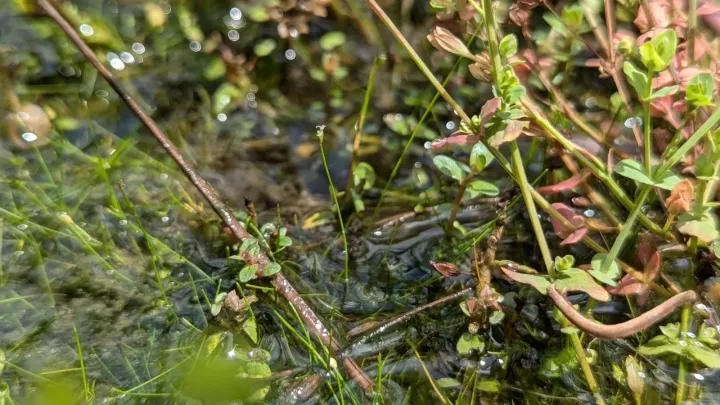
Description
Growing requirements
Eleocharis yokoscensis is a perennial herbaceous plant belonging to the Cyperaceae family. It is native to East Asia, primarily inhabiting moist meadow lands, riverbanks, and paddy field environments where water saturation is consistent throughout the growing season.
The plant features a specialized root system consisting of slender rhizomes that facilitate rapid spreading within muddy or silty soil profiles. This biological adaptation allows the species to thrive in waterlogged conditions that would be detrimental to most standard agricultural crops.
Morphologically, the plant displays thin, leafless stems that grow upright, usually ranging from 10 to 40 cm in height. The inflorescence consists of a small, terminal spikelet, which is a diagnostic feature used for the identification of this specific member of the spike-rush genus.
To ensure optimal growth, the species requires high moisture levels and consistent soil hydration. While it is highly tolerant of submersion, it is sensitive to moisture deficit during the early stages of establishment, making irrigation management a critical aspect of site preparation.
Beyond its ecological role, the plant is valued for its potential in water purification and soil stabilization. Its ability to absorb excess nutrients from the water column makes it a subject of interest for sustainable agricultural water management practices.
Main diseases and pests
The primary threats to Eleocharis yokoscensis include fungal pathogens that exploit high-humidity environments. Leaf spotting and root rot can compromise plant health if stagnant water conditions are not balanced with adequate water flow.
Aquatic pests represent a significant challenge, particularly larvae that feed on the rhizomes or stem bases. Regular field scouting is necessary to identify signs of infestation and to apply necessary biological controls to maintain the crop's vigor.
Invasive weed species often compete for nutrients and sunlight in shallow wetland habitats. Early-stage weeding is essential to prevent these competitors from overgrowing the crop and reducing the overall density of the stand.
Changes in water pH can disrupt the plant's nutrient uptake, leading to chlorosis. Maintaining a stable pH range between 5.5 and 7.0 is recommended to provide the optimal environment for photosynthesis and general metabolism.
Extreme weather events, such as prolonged freezing in winter, can damage the rhizome network if the water depth is insufficient. Proper management of water depth provides thermal insulation for the roots during dormant periods.