
Baldwin's Spikerush
Eleocharis baldwinii
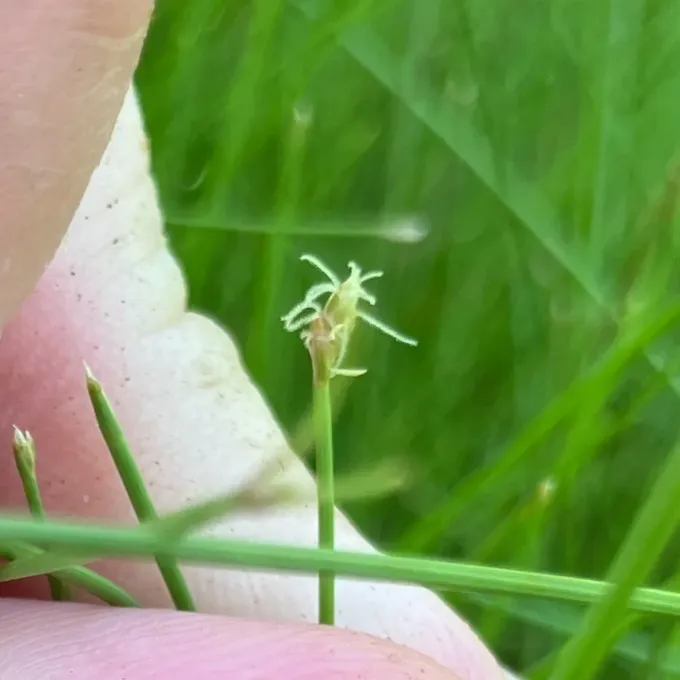
Description
Growing requirements
Baldwin's Spikerush (Eleocharis baldwinii) is a perennial herbaceous plant belonging to the Cyperaceae family. It is native to the southeastern United States, typically found in moist, boggy environments and shallow water edges.
This plant thrives in nutrient-rich, slightly acidic substrates. It is highly valued for its ability to form a dense, lush carpet, which requires consistent access to moisture and stable environmental conditions to maintain its structural integrity.
Regarding light requirements, Eleocharis baldwinii needs moderate to high intensity to prevent leggy growth. Providing 10 to 12 hours of light daily helps the plant maintain its characteristic compact height and vibrant green color.
Optimal growth occurs at temperatures between 18°C and 28°C. The cultivation process requires careful water management to ensure that minerals and CO2 levels remain balanced, as the plant is sensitive to significant fluctuations in water chemistry.
The primary use of Baldwin's Spikerush is in aquascaping and the design of artificial wetlands. Due to its aesthetic appeal and low maintenance once established, it is a popular choice for creating natural-looking ground covers in aquatic displays.
Main diseases and pests
The primary threat to the stability of Baldwin's Spikerush populations is the overgrowth of invasive algae. These organisms can easily outcompete the spikerush for essential light and nutrients.
Fungal pathogens represent a significant risk, especially in stagnant water conditions where organic waste accumulates. These infections often target the base of the stems, causing rapid necrosis.
Pests such as certain aquatic snails can physically damage the delicate stalks, leading to stunted development and an increased susceptibility to secondary infections.
Nutrient imbalances, particularly low levels of trace elements like iron, can cause chlorosis, making the plant visually unappealing and reducing its overall resilience against adverse environmental factors.
Control measures emphasize proper filtration and regular maintenance of the planting area. Ensuring adequate water flow prevents the buildup of harmful bacteria and supports the long-term health of the crop.