
Bonariensis spikerush
Eleocharis bonariensis
Description
Growing requirements
Bonariensis spikerush (Eleocharis bonariensis) is a perennial herbaceous plant belonging to the Cyperaceae family. It is recognized as a hydrophyte, adapted to living in wet soils, marshlands, and along the edges of aquatic environments.
The origin of this species is traced back to the Americas, particularly regions in South America where it thrives in subtropical climates. Its distribution range covers areas characterized by high precipitation and frequent inundation of the landscape.
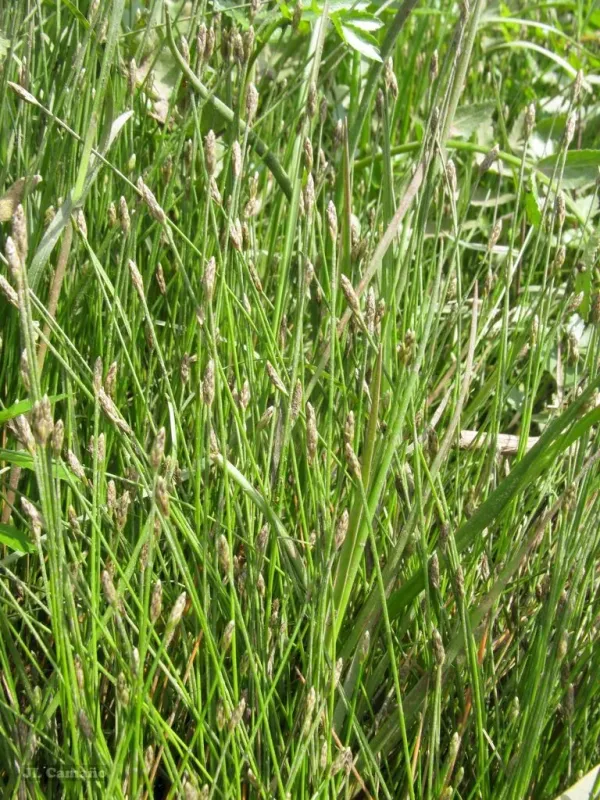
Botanically, the plant consists of rhizomatous structures that produce numerous slender, erect, leafless stems. These stems are the primary photosynthetic organs, displaying a distinct vibrant green color and cylindrical internal structure for efficient oxygen transport.
Regarding cultivation requirements, the plant demands consistently waterlogged soils or standing water. It shows good adaptability to various soil types, provided that they remain saturated with water and contain sufficient organic matter for nutrient supply.
The agricultural and environmental use of the species is primarily directed towards bioremediation and shoreline stabilization. By developing an extensive root system, it anchors the soil effectively, reducing erosion risks around irrigation ponds and natural reservoirs.
Main diseases and pests
The primary threat to the stability of spikerush populations is the significant decrease in groundwater levels. Prolonged dry periods lead to the immediate decline of the vegetation, which is highly dependent on continuous moisture availability.
Diseases affecting this species are mostly associated with fungal pathogens that thrive in stagnant water environments with poor circulation. Maintaining flow or consistent water quality is essential to prevent stem and root rot development.
Pests are generally not a major concern for the crop, though specific aquatic insects can occasionally damage the stems. Preventive monitoring during the peak growing season helps in identifying any infestation early and managing it naturally.
Competition from aggressive invasive aquatic species poses a constant risk to the plant. Invasive plants can outcompete spikerush for space and nutrients, often leading to a reduction in the size and health of the established crop stand.
Management of the cultural stand requires careful observation of population density. Overcrowding can negatively impact the health of the plant by limiting light penetration, therefore periodic thinning of the biomass is recommended for optimal productivity.