
Eleocharis wichurae
Eleocharis wichurae
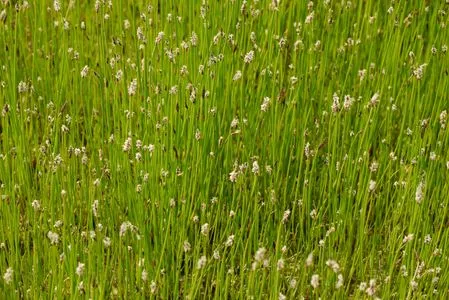
Description
Sowing dates
Planting Eleocharis wichurae is ideally performed in the spring, once water temperatures have risen sufficiently to support the establishment of rhizomes in the substrate.
The most common propagation technique involves dividing mature rhizomes and planting them into nutrient-rich, silty substrates at a depth of 5 to 15 centimeters.
Maintaining proper spacing, typically 30–40 centimeters apart, is crucial for preventing early-stage competition and allowing for healthy lateral spread of the plants.
While seed sowing is possible, it requires controlled conditions such as high moisture levels and specific stratification, making vegetative division the preferred commercial method.
Post-planting management involves strictly monitoring water levels, as ensuring the soil remains saturated is vital for the survival and initial development of the crop.
Growing requirements
Eleocharis wichurae belongs to the Cyperaceae family and is an obligate wetland species, thriving in shallow water and permanently saturated soil environments.
The plant requires high levels of solar exposure and prefers silty, organic-rich soils that support its moisture-intensive physiological needs throughout the growing season.
It adapts well to slightly acidic or neutral water conditions, showing the best biomass accumulation when water quality is stable and free from significant pollutants.
As a hardy perennial, it can withstand temperate climate variations, provided that the substrate does not freeze solid and maintains enough moisture for survival.
Optimal growth occurs within a temperature range of +18°C to +25°C, where the plant can utilize nutrient inflows efficiently for rapid vertical stem development.
Yield
The yield of Eleocharis wichurae is measured by the total volume of aerial biomass, which can be significant in well-managed, nutrient-abundant aquatic settings.
Yield efficiency is heavily dependent on the mineral content of the sediment, specifically nitrogen and phosphorus availability, which fuels the plant's rapid growth cycle.
Strategic density management in commercial plots allows farmers to maximize biomass production while maintaining the health and resilience of the underground rhizome network.
Periodic thinning or rejuvenation of the planting area is necessary to prevent overcrowding, which would otherwise lead to a decline in individual plant vigor and overall yield.
Successful harvests produce uniform stem lengths, which are highly valued for their structural strength when used in various artisanal and agricultural manufacturing applications.
Main diseases and pests
The species faces pressure from invasive aquatic weeds that can quickly dominate the habitat, requiring regular manual weeding to protect the crop's growing space.
Fungal pathogens may emerge in stagnant water environments, causing stem rot and requiring improved aeration or controlled water circulation to mitigate further damage.
Pests such as certain insect larvae can damage the crown of the plant, which calls for proactive monitoring and the removal of severely affected stems early in the season.
Pollution and heavy metal accumulation represent significant environmental risks, as the plant's high uptake capacity can lead to toxicity if the water source is contaminated.
Integrated management focusing on clean water input and the removal of diseased organic matter is the most effective way to protect the integrity of the cultivation.
Harvesting
Harvesting Eleocharis wichurae is typically conducted after the flowering phase, once the stems have reached maximum maturity and structural integrity.
Techniques involve using specialized aquatic scythes or cutters to harvest the stems, ensuring that the rhizome remains intact for future seasonal growth.
Immediate post-harvest processing is critical, involving drying the biomass in ventilated areas to preserve color and prevent the development of mold or decay.
Once dried, the stems are graded by thickness and length to meet commercial requirements for materials used in weaving, thatching, or decorative applications.
Proper harvest cycles contribute to the long-term sustainability of the cultivation plot, allowing for consistent production over multiple years without exhausting soil resources.