
Eleocharis tetraquetra
Eleocharis tetraquetra
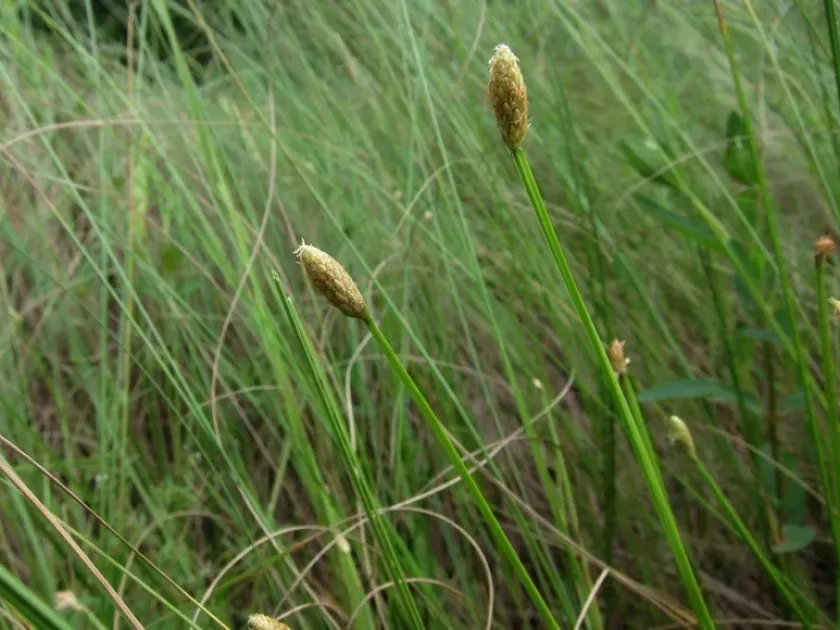
Description
Sowing dates
Eleocharis tetraquetra belongs to the Cyperaceae family. It is a perennial herbaceous plant naturally occurring in wetlands and shallow water habitats, propagated mostly by rhizome division, though seed propagation is also viable for commercial cultivation.
The optimal planting time begins in late spring, once water temperatures consistently remain above 15-18 degrees Celsius. This ensures rapid root establishment and minimizes the duration during which young seedlings are vulnerable to competition.
Commercial growers often prefer greenhouse-started seedlings to ensure uniform density and early vigor. Planting should be done in well-prepared, silt-rich substrates that mimic the natural wetland environments required for the species to thrive.
Density depends on the intended use; for biomass production, a higher planting density is recommended to maximize the yield per square meter, while lower densities are used for environmental restoration projects.
Establishing the culture requires careful water management, as initial growth is relatively slow. Ensuring the substrate remains moist but not overly flooded in the first two weeks is critical for successful germination and early development.
Growing requirements
This species is highly dependent on a stable hydrologic regime. It performs best in shallow standing water, typically ranging from 10 to 20 centimeters in depth, providing the necessary nutrients through saturated soil conditions.
Sunlight exposure is a limiting factor for growth. Eleocharis tetraquetra requires full sun to promote the development of its distinct square stems and to maintain robust health throughout the growing season.
The ideal soil pH for this culture ranges from 5.5 to 7.0. It thrives in organic-rich, silty substrates that provide adequate mineral uptake and support for the rhizomatous root system which stabilizes the plant against water currents.
Climatic requirements are focused on moderate, warm summer temperatures. While adaptable, the plant shows the highest productivity in regions with consistent sunshine and minimal diurnal temperature fluctuations.
Prevention of water pollution is essential, as the plant is highly sensitive to certain industrial herbicides. High water quality also prevents the proliferation of unwanted aquatic mosses and filamentous algae that can compete for resources.
Yield
Eleocharis tetraquetra is primarily cultivated for its biomass, which finds applications in specialized forage production and as a medicinal herb. Its high fiber content and unique phytochemical profile make it a valued agricultural commodity in various Asian regions.
Beyond traditional feed use, the plant is increasingly utilized in bio-engineering. It serves as a natural filtration system, effectively absorbing nitrogen and phosphorus excess, making it a sustainable choice for water treatment fields.
The yield of this culture is highly dependent on fertilization strategies and the maintenance of optimal water levels. Under controlled conditions, it produces multiple harvests of high-quality stems suitable for industrial processing.
Integrating this crop into aquaponics or fish farming operations enhances land productivity. The plant creates a favorable micro-environment for young fish and beneficial microorganisms, effectively doubling the utility of the flooded land.
Economically, the value of the species is growing due to the rising demand for natural plant-based filters and bio-materials that contribute to carbon sequestration in wetland agriculture.
Main diseases and pests
Weed management is the primary challenge in Eleocharis tetraquetra cultivation. Fast-growing invasive weeds and algae can quickly outcompete young plants for sunlight and nutrients, requiring consistent manual or mechanical intervention.
While generally hardy, the plant can be susceptible to root rot if water circulation is poor or if the soil becomes stagnant for extended periods. Ensuring good drainage or water movement is a key preventative measure.
Insect pests such as leaf beetles or aphids can occasionally cause damage to the stems. Integrated pest management strategies, emphasizing biological controls, are preferred to maintain the plant's health for ecological applications.
Birds and small rodents may pose a threat to newly planted plots. Protective netting or fencing during the initial weeks of establishment is recommended in areas with high wildlife activity.
Routine inspection for signs of chlorosis or fungal spots is necessary. Maintaining a balanced nutrient level in the soil and water will significantly strengthen the plant's natural resistance to most common environmental stressors.
Harvesting
Harvesting is typically scheduled for late summer or early autumn. At this stage, the stems are fully mature, providing the maximum biomass yield and the highest concentration of desired compounds for medicinal or fodder use.
Mechanical harvesting is carried out using specialized mowers designed for water-logged terrain. These machines minimize soil compaction and prevent damage to the rhizome mats, ensuring the longevity of the plant beds.
Post-harvest processing is crucial, requiring immediate drying to prevent microbial growth. Forced-air drying systems are recommended to retain the stems' physical integrity and biological value effectively.
Stored material should be kept in well-ventilated, dry conditions, away from direct sunlight, to prevent quality degradation. Proper storage is key to maintaining the market value of the crop throughout the off-season.
Leaving a portion of the crop unharvested each season supports natural reseeding and rhizome recovery, allowing for a sustainable, multi-year production cycle without the need for frequent replanting.