
Eleocharis spiralis
Eleocharis spiralis
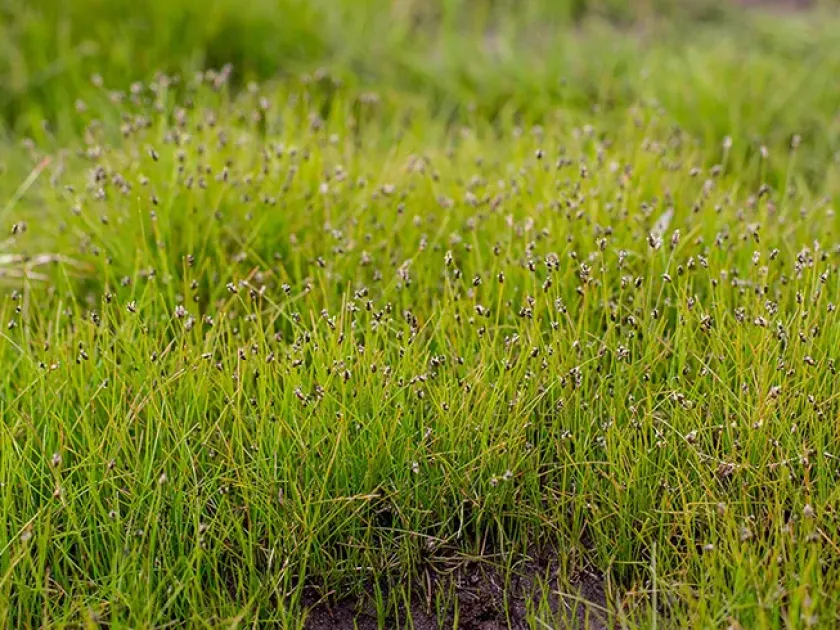
Description
Growing requirements
Eleocharis spiralis is a perennial herbaceous plant belonging to the Cyperaceae family. It is native to tropical and subtropical wetlands of Asia and Australia, where it thrives in saturated soils and shallow aquatic environments.
The plant requires high humidity and consistent water levels for optimal biomass production. In agricultural practice, it is usually cultivated in flooded beds or managed wetlands where water depth can be precisely controlled to mimic its natural habitat.
Soils suitable for this crop should be fine-textured, ideally clay or silt-based, with high water-holding capacity. These conditions ensure the roots remain hydrated, while the nutrient-rich substrate supports rapid vegetative growth throughout the season.
Climatic requirements focus on warmth and intense solar exposure. The plant flourishes in temperatures between 22 and 30 degrees Celsius, which is essential for triggering robust growth and development of the characteristic spiral-shaped stems.
Agronomic management includes maintaining adequate nutrition levels through controlled fertilization. Phosphorus and nitrogen applications are standard, but they must be managed to prevent excessive nutrient runoff that could disrupt the local aquatic ecosystem.
Main diseases and pests
Fungal diseases represent the most significant threat to Eleocharis spiralis, particularly in stagnant or poorly aerated water. Pathogens can cause stem decay, often manifesting as brown lesions that weaken the plant structure.
Insects and aquatic pests, including certain larvae and mollusks, can damage the epidermal tissue of the stems. These wounds may subsequently lead to secondary infections, requiring vigilant monitoring and management of the aquatic environment.
Preventive measures involve maintaining optimal planting density to promote natural air circulation among the stalks. Regular water exchange or filtration is recommended to reduce the concentration of pathogens within the growth area.
Weed control is vital as aggressive opportunistic species can quickly colonize the planting site. Manual weeding is often the safest and most effective method for controlling unwanted vegetation without impacting the sensitive aquatic balance.
The use of chemical pesticides should be strictly limited to prevent harm to the surrounding aquatic life. Integrated pest management, focusing on habitat control and biological balance, is the preferred strategy for sustainable production.