
Eleocharis sphacelata
Eleocharis sphacelata
Description
Sowing dates
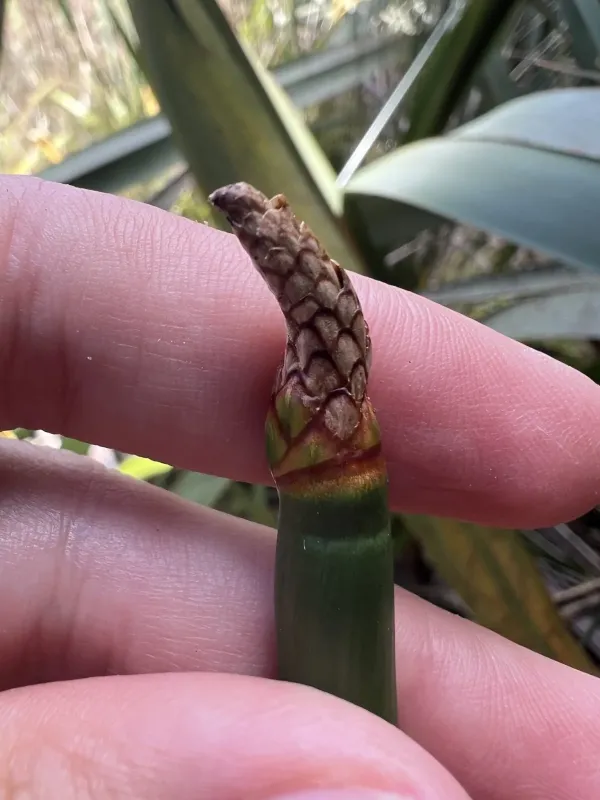
Eleocharis sphacelata is a robust perennial plant belonging to the Cyperaceae family, widely recognized for its strong rhizomatous growth habit in wetland environments.
Propagation is most efficiently achieved through the division of mature rhizomes, which should be planted during the early spring when water temperatures begin to rise.
The planting depth is critical; individuals should be placed in substrate at water depths ranging from 10 to 50 centimeters to ensure optimal development.
When establishing a plantation for phytoremediation, a spacing of approximately 25 to 40 centimeters between individual plants is recommended to facilitate rapid colonization.
While seed propagation is biologically possible, it is rarely used in agricultural practice due to the stringent requirements for specific hydrological and temperature cues.
Growing requirements
This species thrives in nutrient-rich silt or sandy-silt soils, which provide the necessary organic matter for sustained growth throughout the growing season.
Eleocharis sphacelata requires full sun exposure to maximize photosynthetic output, although it can tolerate partial shading in shallower, clearer water systems.
The plant performs best in a stable water environment with a pH level between 6.0 and 7.5, which balances mineral availability and nutrient uptake efficiency.
Water temperature is a vital factor; the species exhibits peak metabolic activity when temperatures remain consistently between 18 and 25 degrees Celsius.
Proper hydrological management is essential to prevent the rhizomes from drying out, as fluctuations in water levels can lead to severe stress and decreased biomass production.
Yield
The primary yield of this crop is its aerial biomass, which is utilized extensively in biological water treatment systems to remove nitrates and phosphates.
Under favorable environmental conditions, the biomass production can be significant, allowing for periodic harvesting to remove absorbed pollutants from the aquatic cycle.
Annual yields are measured by the dry matter produced per hectare, with higher yields typically achieved in eutrophic water bodies where nutrients are abundant.
The frequency of harvesting is determined by the specific objectives of the site, such as the saturation level of the plant tissue with captured minerals or heavy metals.
Strategic management of the site can lead to multi-cut harvesting regimes in warmer climates, effectively maximizing the total throughput of the biological filter.
Main diseases and pests
Fungal diseases are the primary threat to plantation health, particularly during periods of low water circulation or excessive planting density which promotes humidity around the stems.
Invasive algae often pose a competitive threat, particularly in the initial establishment phase, as they can outcompete the young spike rush for light and space.
Herbivory by waterfowl and carp species can significantly impact the structural integrity of the plant, often necessitating the use of perimeter fencing or netting.
Pollution from agricultural runoff, specifically herbicides, can cause rapid chlorosis and tissue necrosis, leading to a complete failure of the biological treatment capacity.
Severe winter conditions or ice coverage that reaches the substrate can potentially damage the rhizomes if the water depth is insufficient for thermal insulation.
Harvesting
Harvesting is typically conducted at the end of the vegetative cycle, when biomass accumulation is at its peak and the plant begins to senesce.
Specialized aquatic harvesters are employed to cut the stems, leaving a stubble height of at least 5 to 10 centimeters to ensure the rhizome remains protected for regrowth.
The removal of the harvested biomass is mandatory; leaving the clippings in the water would result in the release of accumulated pollutants back into the aquatic environment.
Once harvested, the material is generally transported to a processing facility for composting, anaerobic digestion, or other waste management strategies.
Post-harvest management involves regular monitoring to ensure that the regeneration rate meets the intended filtration requirements for the next season.