
Eleocharis retroflexa
Eleocharis retroflexa
Description
Growing requirements
Eleocharis retroflexa, commonly known as the bent spikerush, is a member of the Cyperaceae family. It is a specialized aquatic plant widely recognized in botanical circles for its unique growth habit and its role in nutrient cycling within aquatic ecosystems.
Native to tropical and subtropical regions of the Americas, this species has adapted to diverse hydrological conditions. Its natural habitat includes wetlands, marshes, and the margins of slow-moving streams, which dictates its preference for specific soil types.
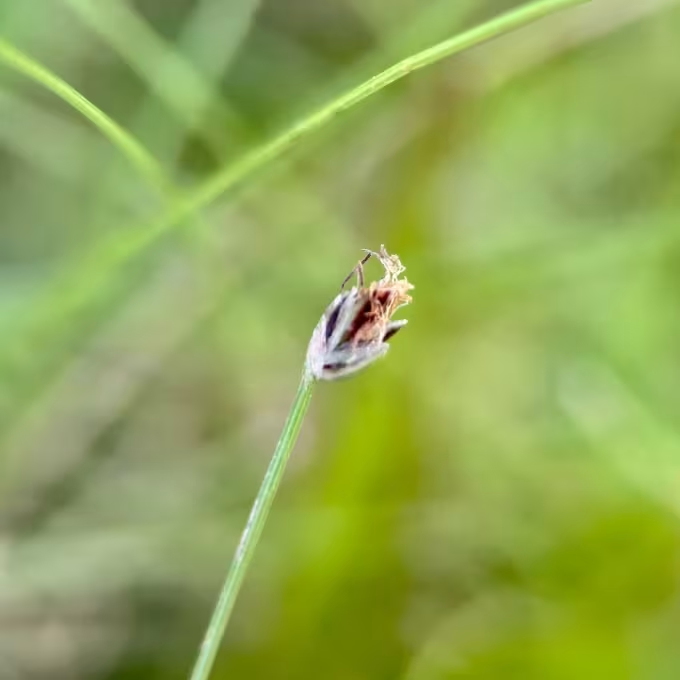
Botanically, it is characterized by slender, filiform stems that exhibit a characteristic reflexed or bent appearance, contributing to its name. The plant produces small spikelets at the tips, which are essential for reproductive identification and propagation success.
Cultivation requires stable aquatic conditions where water temperatures are consistently maintained between 22 and 28 degrees Celsius. Light intensity must be sufficient to support photosynthesis, as low light levels lead to etiolation and reduced plant vigor.
The agronomic management of this species focuses on maintaining water quality and soil texture. It thrives best in well-draining, nutrient-rich substrates, provided that the water column remains clean and free from excessive sediment buildup.
Main diseases and pests
Fungal infections remain the primary threat to the health of Eleocharis retroflexa. These diseases typically manifest as root or crown rot, especially when water circulation is poor and organic matter accumulates excessively in the root zone.
Pest pressures include various aquatic larvae that feed on tender plant tissues. If left unmonitored, these pests can cause significant defoliation, which severely impacts the plant's photosynthetic capacity and overall development.
Nutrient toxicity, particularly from excessive nitrates, can weaken the plant's cellular structure, making it more susceptible to common pathogens. Balanced fertilization programs are essential to ensure the longevity of the plant population.
Competition from aggressive algae blooms poses a major challenge for growers. Without proper management of light and water chemistry, algae can quickly outcompete the sedge, leading to stunted growth and eventual decline of the crop.
Environmental fluctuations, such as rapid changes in pH or water hardness, stress the plant system. Maintaining strict environmental controls is crucial to preventing physiological disorders and ensuring consistent agricultural outcomes.