
Eleocharis pellucida
Eleocharis pellucida
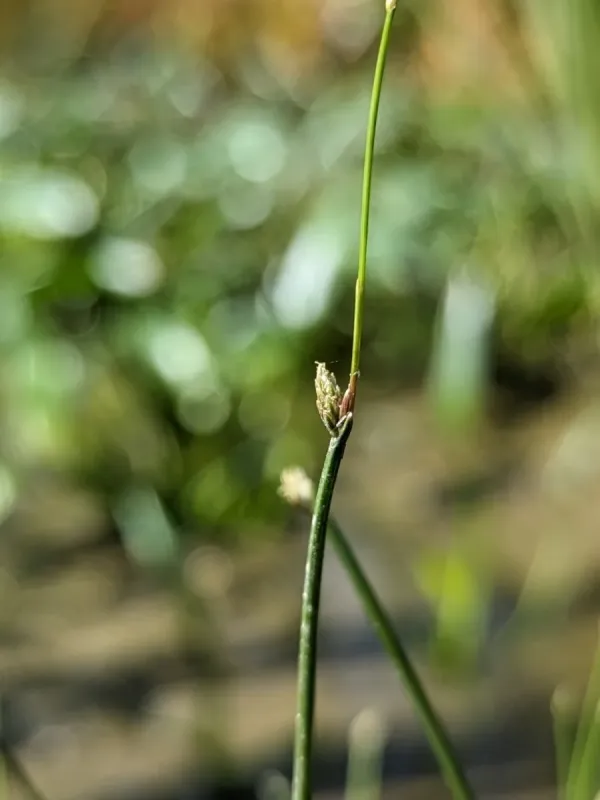
Description
Sowing dates
Eleocharis pellucida, commonly known as a type of spikerush, is an annual herbaceous plant belonging to the Cyperaceae family. It is widely distributed in wetlands and is frequently encountered as a volunteer species in irrigated rice systems across East and Southeast Asia.
The timing of emergence depends on the flooding schedule of the agricultural field. Germination typically begins when soil and water temperatures rise during late spring, usually in May, providing the necessary thermal impulse for the seeds.
The plant demonstrates a strong ability to propagate via seeds, which remain viable in the soil substrate and react quickly to the onset of the wet season or deliberate irrigation practices.
In a controlled environment, density control is managed through water management, as the plant requires specific saturation levels to initiate the growth cycle from its dormant seed bank.
Its biological resilience makes it a persistent presence in agricultural landscapes, requiring strategic management to ensure it does not interfere with the primary economic crop.
Growing requirements
Eleocharis pellucida thrives in well-lit areas with consistent access to moisture. It prefers muddy or silty soil substrates that are rich in organic matter, which provide the necessary nutrients for its rapid stem elongation.
The plant requires a stable aquatic environment. Maintaining a water depth of several centimeters is critical for healthy development and preventing the plants from drying out during high-temperature periods.
Temperature is a key driver for metabolism; the species performs best in warm climates where water temperatures remain consistently between 20 and 25 degrees Celsius during the growing season.
Regarding soil chemistry, it adapts well to slightly acidic to neutral pH levels, which are typical for many wetland ecosystems and managed rice paddies.
Adequate water circulation is beneficial to provide oxygen to the root zone, preventing the buildup of harmful anaerobic gases that can occur in stagnant, water-logged soil conditions.
Main diseases and pests
The primary threat to Eleocharis pellucida in agricultural settings is the application of broad-spectrum herbicides intended to keep rice fields clear of competing aquatic weeds.
Various fungal pathogens thrive in the humid, aquatic environments where this plant grows, often leading to stem rot and reduced overall biomass if the water quality is poor.
Insect pests, including specialized aquatic beetles and larvae, can cause significant damage to the succulent stems, particularly during the early vegetative stages of the plant's life cycle.
Invasive algae and more aggressive wetland plant species often compete with Eleocharis pellucida for sunlight, which is a limiting factor in densely planted aquatic environments.
- Root rot pathogens
- Rice water weevils
- Stem blight fungi
- Competition from filamentous algae
Harvesting
Harvesting of Eleocharis pellucida is rarely a primary agricultural objective, as it is often treated as a wild species within a larger farming system.
When intended for use, such as in traditional medicine or as fodder, mechanical cutting is performed using specialized equipment designed for aquatic environments to ensure efficiency.
The ideal time for harvesting is before the plant produces mature seeds, which helps to maintain control over its spread and reduces the workload for future field preparations.
Post-harvest processing involves thorough cleaning to remove mud and debris, followed by rapid drying to preserve the chemical constituents of the stems and prevent spoilage.
Storage must occur in a dry, ventilated environment to protect the harvested material from mold and moisture-related degradation, ensuring the quality of the final product.