
Knotted spikerush
Eleocharis nodulosa
Description
Growing requirements
Knotted spikerush, scientifically known as Eleocharis nodulosa, is a perennial herbaceous plant belonging to the Cyperaceae family. It is widely distributed across the Americas and typically inhabits wetlands, marshes, and the margins of water bodies, thriving in wet, often saturated conditions.
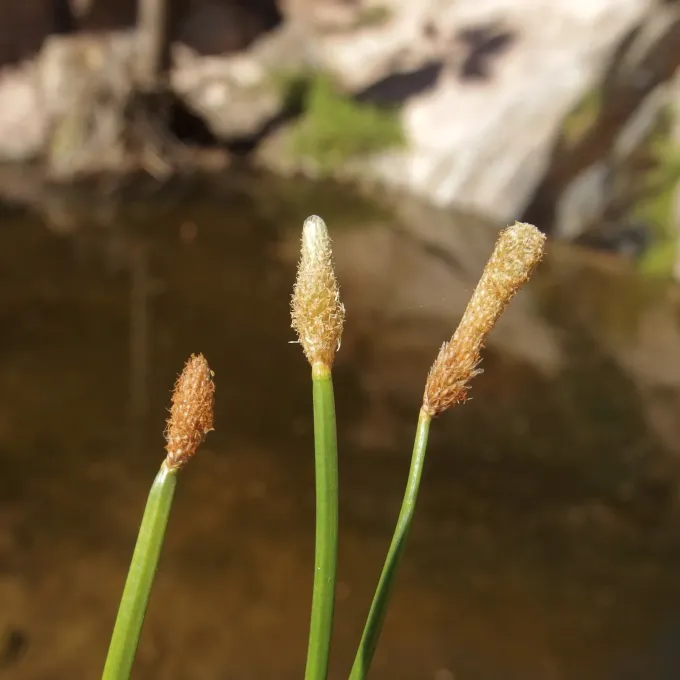
Botanically, the species is distinguished by its erect, cylindrical stems that possess distinct nodal segments, giving it a unique architectural appearance. The root system is fibrous and robust, allowing the plant to anchor securely into substrates ranging from soft silt to saturated clay, which is essential for survival in water-logged environments.
The cultivation requirements for this plant focus on high moisture levels and adequate sunlight. It performs best in full sun, which promotes healthy stem development and keeps the plant compact. When planted in garden settings, it requires consistently moist soil or a shallow aquatic depth, usually ranging from a few centimeters to complete saturation.
Temperature is a critical factor for the vigor of Eleocharis nodulosa. Being a tropical or subtropical plant by nature, it flourishes in warm climates where temperatures remain above freezing. It is not cold-hardy, so in cooler regions, it must be overwintered indoors or used as an annual plant in landscape designs.
In terms of economic and practical use, Knotted spikerush is highly valued in environmental engineering. It serves as an effective tool for phytoremediation, helping to naturally filter water by absorbing excess nutrients. Its aesthetic appeal also makes it a popular choice for water garden enthusiasts and landscape architects focused on naturalistic pond designs.
Main diseases and pests
While Knotted spikerush is relatively hardy in its natural environment, it can be susceptible to various root rots if the water quality deteriorates. Poor circulation and high levels of decaying organic matter often create conditions favorable for pathogen proliferation.
Common pests that may affect the plant include aphids, which can congregate on the softer, succulent parts of the stems during periods of high humidity. Infestations should be managed carefully to avoid damaging the plant’s structural integrity.
Maintaining a balanced ecosystem is the best defense against threats. By ensuring adequate oxygenation of the water and preventing the accumulation of dense detritus, gardeners can minimize the risk of fungal and bacterial infections.
Regular monitoring of the foliage for discoloration or premature wilting is recommended for early detection of potential stress. If symptoms appear, removing the affected stems can prevent the spread of the pathogen throughout the cluster.
Chemical control should be avoided in aquatic habitats where the plant is established. Instead, practitioners should rely on cultural practices, such as thinning out overly dense patches to improve airflow and checking water chemistry parameters regularly.