
Eleocharis nigrescens
Eleocharis nigrescens
Description
Growing requirements
Eleocharis nigrescens, commonly known as a type of spikerush, belongs to the Cyperaceae family. In agricultural and environmental sciences, it is valued for its unique ability to thrive in wet, saturated habitats, playing a significant role in wetland management and soil stabilization.
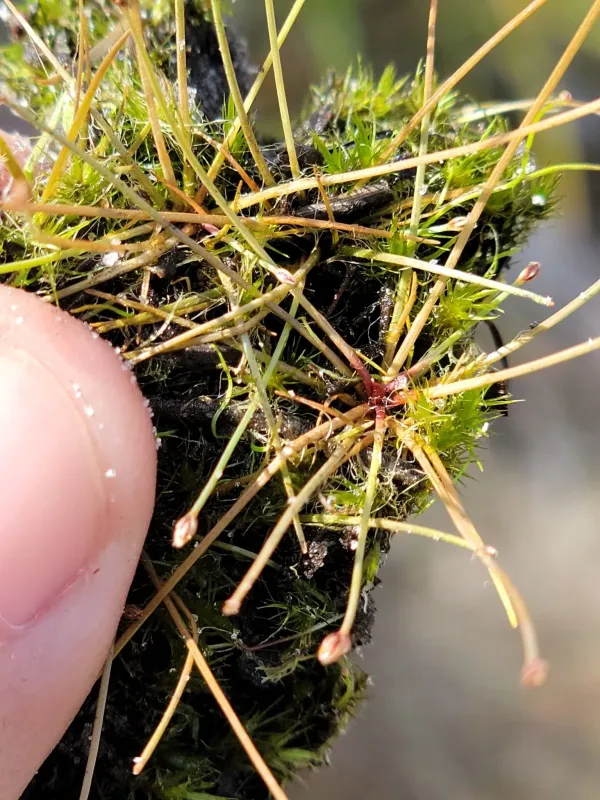
The botanical structure of this plant consists of slender, rush-like stems that grow in dense, upright clumps. The inflorescences are characterized by their darkening tips at maturity, which is a key trait that differentiates this species from other closely related Eleocharis members.
In terms of growing requirements, the species favors acidic to neutral organic soils with high moisture retention capacity. It is highly adapted to areas that experience periodic flooding, making it an excellent candidate for regions where standard crops would fail due to waterlogging.
The climate requirements include regions with moderate to high precipitation levels and consistent thermal stability. While it is hardy in many respects, the plant prefers well-lit environments to maintain its typical growth density and to ensure the development of healthy seed heads.
The main agricultural and ecological use of this culture includes water filtration systems and bank erosion control. Its complex root network efficiently binds soil particles, while its biomass uptake capacity makes it a sustainable tool for managing water quality in agricultural landscapes.
Main diseases and pests
Common threats to this crop include fungal root infections, which often occur when water circulation is poor. Excessive water stagnation in low-temperature conditions can lead to decay and significant plant mortality if not managed through proper site drainage planning.
Pests, such as various species of stem-boring insects and nematodes, can pose a risk during the peak growing season. Growers should conduct periodic inspections of the stalks to identify early signs of infestation and prevent widespread damage to the planting area.
Rust diseases and other pathogens affecting Cyperaceae can spread rapidly if the plants are stressed. Ensuring a balanced nutrient profile and avoiding excessive nitrogen applications can help improve the plant's natural resistance to these biological stressors.
Managing the plant's density is crucial to reducing disease outbreaks. Proper spacing encourages better airflow between the clumps, which significantly lowers the humidity levels at the stem base, thereby discouraging the development of mold and various fungal spores.
Weed control is essential during the establishment phase, as the plant can be sensitive to competition from more aggressive invasive aquatic species. Once established, the culture typically forms a stable community that effectively outcompetes most opportunistic weeds in its habitat.