
Eleocharis mutata
Eleocharis mutata
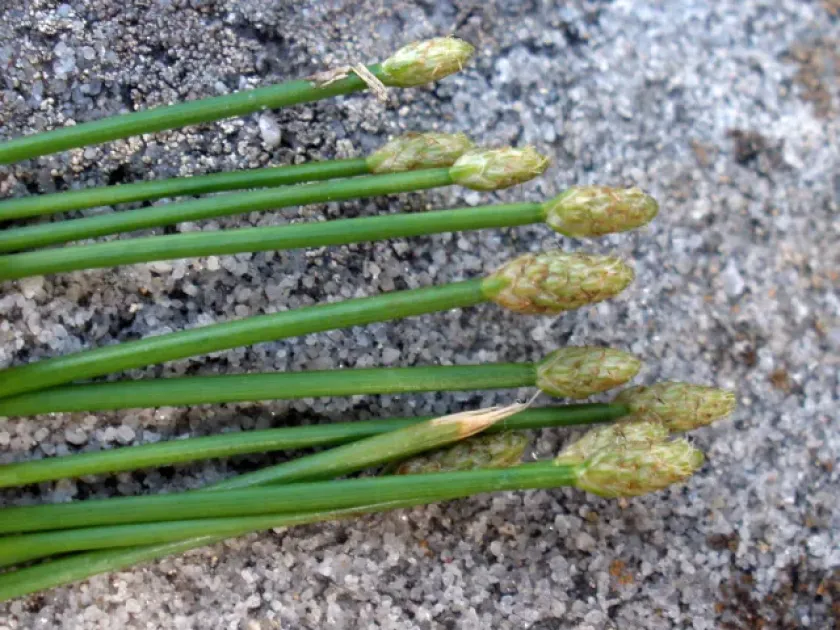
Description
Sowing dates
Eleocharis mutata is a perennial herbaceous plant belonging to the Cyperaceae family, often found in tropical regions across the globe.
Propagation is primarily achieved through rhizome division, which ensures rapid establishment in wet soil or shallow water environments.
When seeding, the material should be planted in a nutrient-rich moist substrate during late spring to optimize germination rates.
Standard planting density ranges from 10 to 15 plants per square meter, allowing enough space for the rhizomes to spread effectively over time.
Proper moisture management is essential during the early stages of establishment to prevent dehydration of the young plant root systems.
Growing requirements
This crop is a specialized hydrophyte, meaning it strictly requires a water level of 10 to 40 centimeters for optimal metabolic performance.
Soil composition should ideally consist of silt or loamy substrates that are rich in organic matter and maintain a slightly acidic to neutral pH.
Abundant sunlight is a key environmental requirement, as Eleocharis mutata relies on high light intensity for vigorous stalk production.
The climate must be tropical or subtropical, characterized by consistently warm temperatures and the absence of freezing conditions during the growing cycle.
Freshwater supply and gentle circulation are necessary to maintain water quality and prevent the accumulation of stagnant debris around the roots.
Yield
The main agricultural utility of Eleocharis mutata lies in its biomass production, which serves as a valuable forage source for various livestock.
Yield capacity is significantly improved by applying nitrogen-based fertilizers, which encourage dense and rapid growth of the green stalks.
Farmers can typically achieve multiple harvests within a single growing season, provided the root system remains undisturbed during the mowing process.
The quality of the harvested biomass is high in proteins and carbohydrates, making it an efficient supplement in animal feed formulations.
Continuous management and proper fertilization allow for long-term productivity, sustaining the crop for several years without the need for replanting.
Main diseases and pests
Fungal pathogens represent the most significant threat to Eleocharis mutata, particularly when water flow is restricted or planting density becomes too high.
Various aquatic insect species can cause physical damage to the stems, leading to a reduction in the overall yield and nutritional quality of the forage.
Invasive algae and aggressive aquatic weeds often compete for space and nutrients, necessitating regular weeding and habitat maintenance.
Pollution from agricultural runoff or industrial waste negatively impacts plant health and can lead to stunted development and eventual death.
Integrated pest management strategies are recommended, focusing on maintaining water quality to prevent the proliferation of harmful organisms.
Harvesting
Harvesting should occur when the plants are in their peak vegetative stage, ensuring the stalks contain the maximum concentration of nutrients.
Mechanical harvesting equipment must be set to leave at least 15 centimeters of stem height to ensure the plant's ability to regenerate.
Once harvested, the biomass should be dried or ensiled immediately to prevent rapid spoilage caused by the high moisture content of the plant.
Timing the harvest before the end of the warm season is critical to ensure the rootstock enters its dormant phase in good health.
Efficient post-harvest practices enhance the storage stability of the forage, preserving its economic value for use throughout the year.