
Eleocharis mitrocarpa
Eleocharis mitrocarpa
Description
Growing requirements
Eleocharis mitrocarpa is a perennial herbaceous plant belonging to the Cyperaceae family. Often referred to as a spike rush, it thrives in aquatic and semi-aquatic environments, making it a specialized crop for wet soil conditions.
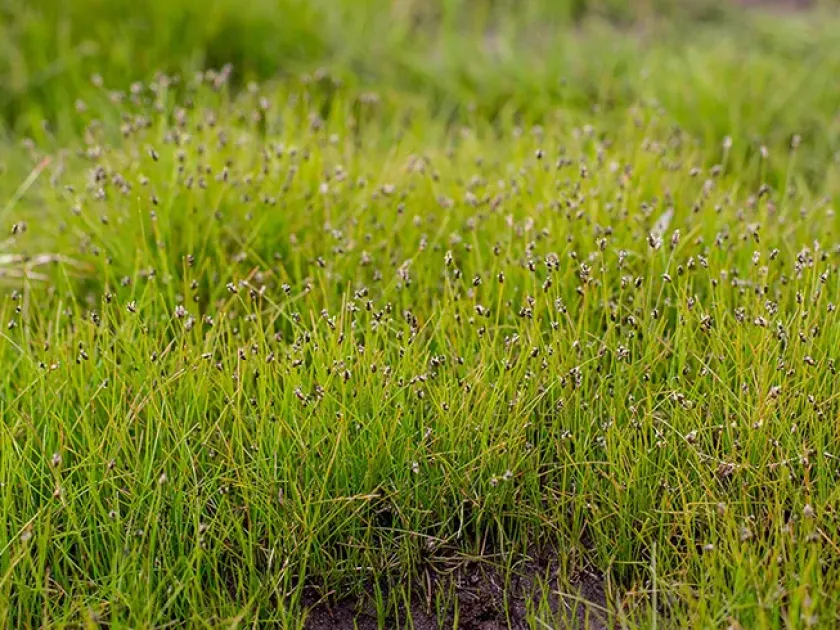
Botanically, the plant is distinguished by its cylindrical stems and unique cap-like spikes. Its root structure is highly adapted to anaerobic substrates, allowing it to extract nutrients efficiently from saturated soils where other plants might struggle.
The culture requires high moisture levels throughout the growing season. The best performance is observed when planted in nutrient-rich, silty or clay-heavy soils that maintain a neutral to slightly acidic pH balance.
Environmental conditions must include consistent warmth, as the plant is sensitive to thermal stress during the early phases of its vegetative cycle. It demonstrates significant resilience to flood conditions, often utilizing this trait to dominate its niche.
Adequate sunlight is essential for the plant’s productivity. While it tolerates various humidity levels, it prefers open environments where exposure to direct sunlight supports the complex metabolic processes required for its development.
Main diseases and pests
The primary threat to this crop is the loss of soil moisture. If the substrate dries out, the plant’s vascular system fails to transport necessary nutrients, leading to rapid senescence and potential crop failure.
Fungal pathogens represent a major risk, especially when the plant density is too high, creating a stagnant microclimate. Common issues include stem rot and various blight symptoms that spread in high-humidity, low-airflow conditions.
Insect pests that target wetlands, such as various species of snails and specialized stem-boring insects, can significantly compromise the biomass production of the crop if left unmanaged.
Agricultural management must prioritize hygiene, including the removal of dead or decaying plant tissue to minimize the risk of pathogen overwintering near the active crop zones.
Integrated pest management strategies focusing on natural biological control are recommended, as the delicate nature of the wetland habitat often makes synthetic chemical treatments hazardous to the surrounding ecosystem.