
Eleocharis mammillata
Eleocharis mammillata
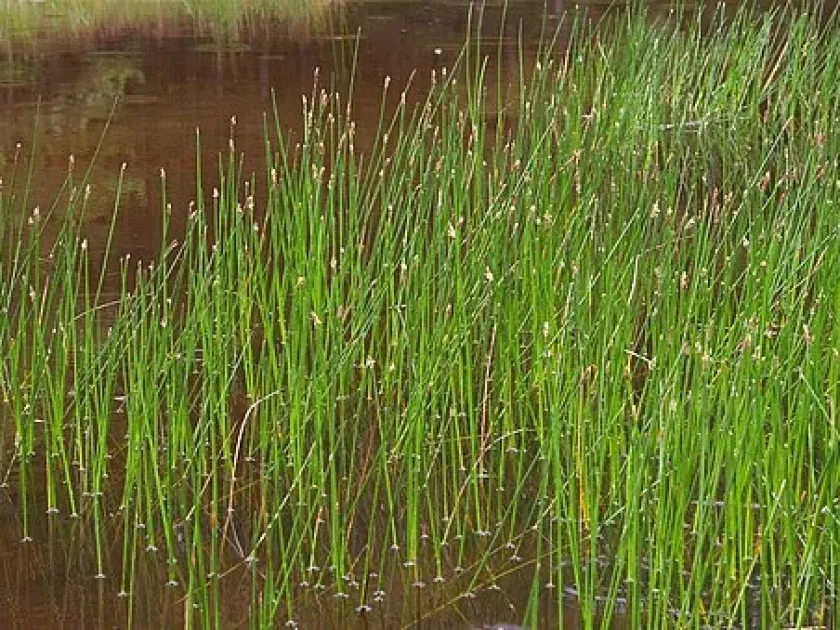
Description
Sowing dates
Eleocharis mammillata belongs to the Cyperaceae family and is a perennial herbaceous plant characterized by its rhizomatous growth pattern.
Propagation is primarily achieved through vegetative division of the rhizomes, which is considered the most efficient method for commercial cultivation.
The planting season typically begins in late spring, ensuring that the water temperature is sufficient to support root development and plant establishment.
Rhizome cuttings should be placed directly into the muddy substrate at the bottom of the water body to ensure stable anchorage and rapid expansion.
Seeds can also be used for propagation, but they require specific moisture conditions and a long stratification period, making this method less common in practical applications.
Growing requirements
This species is a true hydrophyte that thrives in wet conditions, typically requiring water depths ranging from 10 to 50 centimeters for optimal growth.
The plant prefers nutrient-rich silt or sandy-loam soils found in the littoral zones of ponds, lakes, and slowly moving riverbanks.
High light intensity is essential for the healthy development of Eleocharis mammillata, as it struggles to compete under dense canopy cover.
It demonstrates a remarkable resilience to fluctuating water levels, which is a critical trait for plants used in artificial wetland restoration projects.
Water quality should be kept clean, as high levels of pollutants or sudden shifts in chemical composition can inhibit the plant's natural growth cycle.
Main diseases and pests
While generally hardy, the plant can be susceptible to various stem-rotting pathogens, especially in areas with poor water circulation and lack of aeration.
Insects that feed on aquatic vegetation may occasionally cause damage to the stems, although severe infestations are relatively rare for this specific species.
Competition from aggressive aquatic invasive species poses the most significant threat to the survival of Eleocharis mammillata populations in wild habitats.
Excessive siltation of the aquatic environment can suffocate the rhizomes and hinder the plant's ability to spread and colonize new areas.
Integrated pest management strategies focusing on physical removal of competing weeds are recommended to maintain healthy stands of the plant.