
Eleocharis mamillata
Eleocharis mamillata
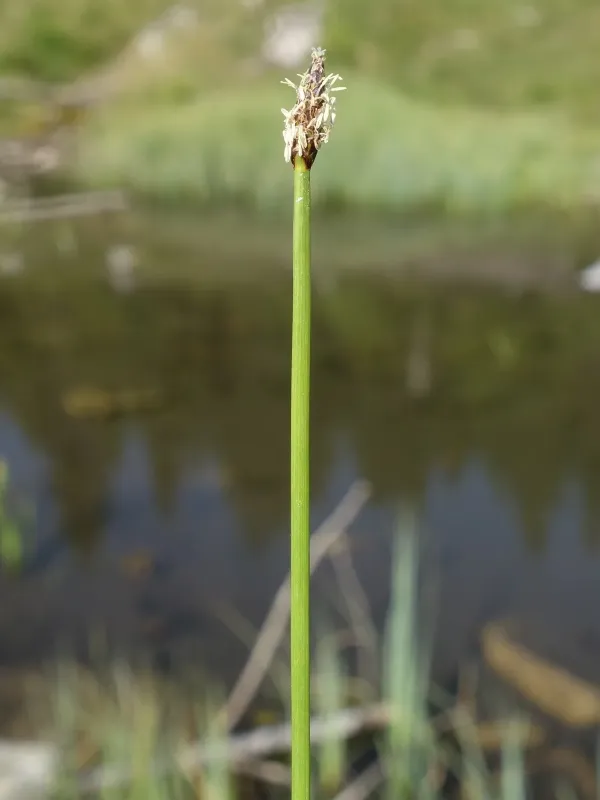
Description
Growing requirements
Eleocharis mamillata is a perennial herbaceous plant belonging to the Cyperaceae family. It is a highly specialized hygrophyte that thrives in wetlands, marshes, and periodically flooded agricultural land across temperate regions.
The plant features a robust rhizome system, which is critical for its survival in waterlogged, anaerobic soil conditions. It acts as a pioneer species in colonizing shallow water zones, effectively stabilizing the substrate.
For optimal growth, Eleocharis mamillata requires consistent moisture and high light intensity. It is particularly sensitive to water depth, preferring areas with shallow inundation (10–30 cm) during the active growing season.
The ideal soil profile is rich in organic matter, such as peat or silt. Neutral to slightly acidic soil conditions are preferred, while high salinity levels should be strictly avoided as they inhibit both root development and biomass production.
Agronomic management involves monitoring water levels and managing vegetation density. In agricultural settings, it is essential to prevent the invasion of more aggressive species such as Phragmites to maintain crop purity.
Yield
Eleocharis mamillata is primarily utilized as a source of biomass, which can be processed into forage for livestock. While not a conventional staple crop, it serves as a valuable resource in integrated wetland-farming systems.
Under favorable hydrological conditions, the species demonstrates high biomass accumulation. With proper nitrogen management, it is possible to achieve multiple harvests throughout the growing season.
The nutritional profile of the harvested biomass is suitable for inclusion in diets for certain classes of livestock. It is often harvested as green fodder, although drying techniques must be rigorous to prevent spoilage due to initial high moisture content.
The crop also plays a significant role in phytoremediation. By absorbing excess nitrogen and phosphorus from agricultural runoff, it helps in maintaining water quality, adding environmental value to the farming operation.
Harvesting efficiency depends on the accessibility of the wetlands. Custom machinery designed for marshy conditions is required to ensure consistent yield and prevent damage to the soil structure during the harvest process.
Main diseases and pests
The main threats to Eleocharis mamillata are fungal pathogens that thrive in stagnant water environments. Leaf spot diseases are common and can significantly reduce the overall biomass quality and yield.
Various insect pests, particularly those that feed on aquatic roots and stems, can cause localized damage. Heavy infestations during the spring can lead to stunted growth and reduced vigor for the remainder of the season.
Biological competition is a major factor, as the species may be outcompeted by more invasive weeds like cattails or common reeds. Active weed control programs are necessary to maintain a productive stand.
Nutrient deficiencies, particularly involving essential trace minerals, can make the plants more susceptible to physiological stress. Periodic water and silt testing are recommended to ensure optimal nutrient availability.
Environmental toxicity remains a significant risk. Because the plant readily accumulates substances from its environment, it is critical to ensure that water sources are free from heavy metals and industrial pollutants.