
Slender spikerush
Eleocharis limosa
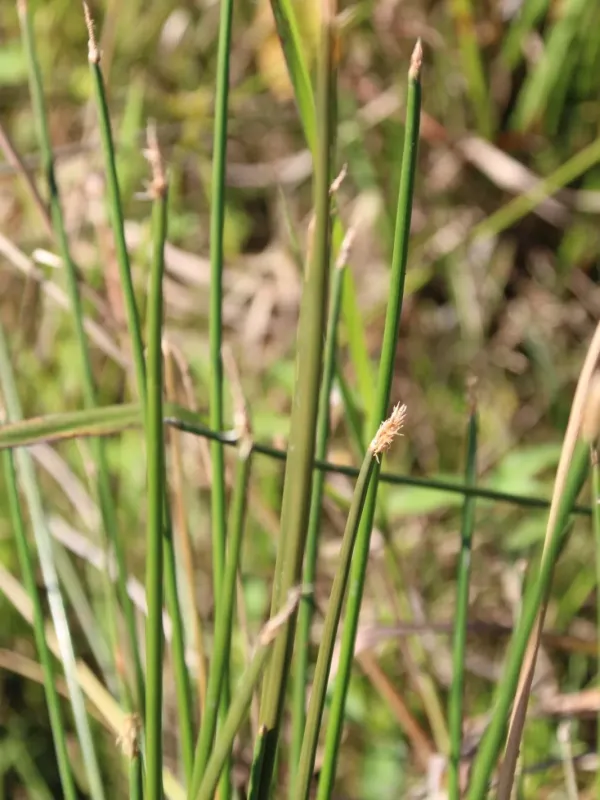
Description
Sowing dates
Eleocharis limosa, commonly known as slender spikerush, is a perennial herbaceous plant belonging to the Cyperaceae family. It is primarily managed through vegetative propagation, as the plant utilizes an extensive rhizome system to colonize suitable wetland habitats effectively.
The planting phase is ideally initiated during the early spring months once the threat of frost has passed and the water temperature has risen sufficiently. This timing facilitates vigorous root development, ensuring the plants establish a stable foothold in the muddy substrate before the peak summer heat occurs.
Growing requirements
The slender spikerush thrives in wet, marshy environments, typically occupying shallow water margins or saturated shorelines. It demands full sun exposure to maintain optimal physiological activity and to promote the density of its characteristic thin, needle-like stems.
Soil quality is paramount, with the plant favoring nutrient-rich silt or peat substrates that remain constantly moist or submerged. Maintaining a consistent water level is crucial, as the plant lacks drought tolerance and will suffer severe physiological stress if the substrate desiccates completely.
Regarding climate conditions, the plant is well-adapted to the ecological niches it inhabits, showing resilience against temperature fluctuations typical of wetland ecosystems. Success in cultivation largely depends on simulating these natural habitat conditions, including moderate nutrient availability and steady water circulation.
Main diseases and pests
Disease pressure in Eleocharis limosa is largely correlated with water quality; stagnant conditions with low oxygen levels often trigger fungal pathogens that rot the rhizomes. Improving water aeration and removing stagnant debris are standard practices to maintain the health of the crop.
In terms of pests, insects like stem borers and certain leaf-feeding beetle species can cause notable damage to the structural integrity of the plant. Furthermore, aquatic invertebrates and snails may graze on emerging shoots, which can significantly reduce the overall coverage and vigor of the spikerush patch.