
Kuroguwai
Eleocharis kuroguwai
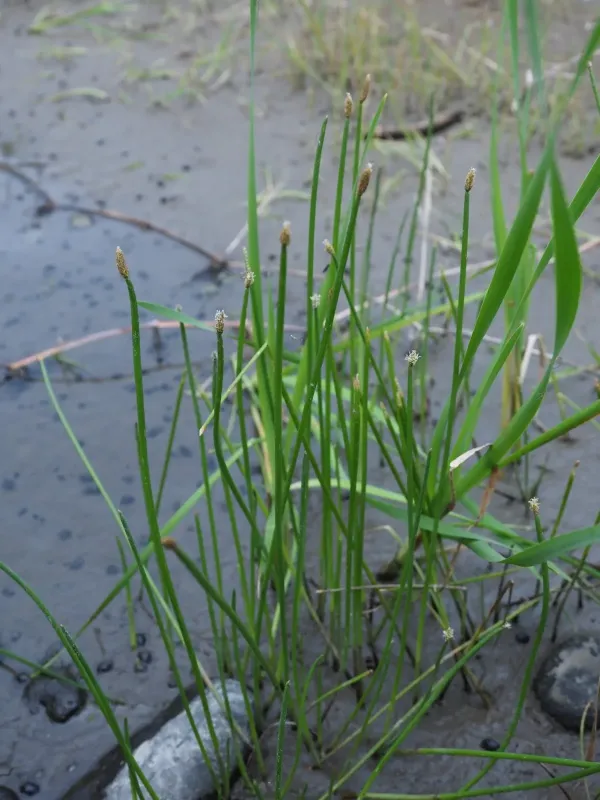
Description
Sowing dates
Kuroguwai (Eleocharis kuroguwai) belongs to the Cyperaceae family and is recognized as a perennial aquatic plant that thrives in wetland environments.
The planting process typically begins in the spring when water and soil temperatures stabilize, facilitating rapid growth of the rhizome system.
Farmers utilize rhizome segments with vegetative buds, planting them directly into nutrient-rich muddy substrates at a shallow depth.
Strategic spacing is essential to ensure that each plant has sufficient resources for developing healthy and large edible tubers.
Large-scale production often involves professional nursery propagation followed by transplantation into prepared paddy fields or flooded plots.
Growing requirements
This crop has strict environmental requirements, primarily needing constant saturation or shallow-water conditions to support its natural growth cycle.
The ideal growing medium consists of silty, nutrient-dense soil with a neutral to slightly acidic pH level, which encourages robust tuber formation.
Kuroguwai thrives in regions with abundant sunlight, as high solar radiation is crucial for the photosynthesis required to build tuber energy reserves.
Optimum temperatures for active growth range from 20 to 30 degrees Celsius, though the plant shows resilience during colder dormant phases.
Effective management includes maintaining a stable water level and performing regular weeding to remove competing flora that may stunt development.
Yield
Yield results are heavily influenced by the quality of the sediment, the accuracy of the water depth control, and overall farm management practices.
The plant produces high-quality tubers that are prized for their starch content and unique culinary properties in traditional food preparations.
Soil enrichment through organic matter applications during the pre-planting stage significantly improves both the size and weight of the harvested crop.
The efficiency of the harvest is dependent on the technological processes applied during the entire season, from planting to the final development stage.
Documented yields indicate that Kuroguwai can be a highly productive crop when grown in well-maintained aquatic fields.
Main diseases and pests
The primary agricultural threats to Kuroguwai involve fungal diseases, which are triggered by stagnant water and high ambient temperature conditions.
Root rot remains a frequent problem, often occurring when soil oxygen levels are depleted or when water circulation in the field is poor.
Various aquatic insects and mollusks can act as pests, damaging the young stems and the developing tubers underground if left unchecked.
Effective control is achieved by maintaining high water quality and ensuring that the field environment is not conducive to weed overgrowth.
Disease prevention strategies prioritize using healthy rhizome stock and rotating planting areas to minimize the buildup of soil-borne pathogens.
Harvesting
Harvesting usually occurs in autumn as the plant enters dormancy, evidenced by the yellowing and drying of the upper green stalks.
The process typically requires lowering the water level in the fields, followed by mechanical or manual excavation of the tubers from the silt.
After collection, the tubers must be thoroughly washed to remove sediment and sorted by size to meet market specifications for commercial quality.
Storage requires cool, high-humidity environments to prevent the tubers from dehydrating, which maintains their freshness and nutritional value.
A well-executed harvest results in a valuable agricultural commodity that remains stable and edible throughout the winter months.