
Spike rush
Eleocharis geniculata
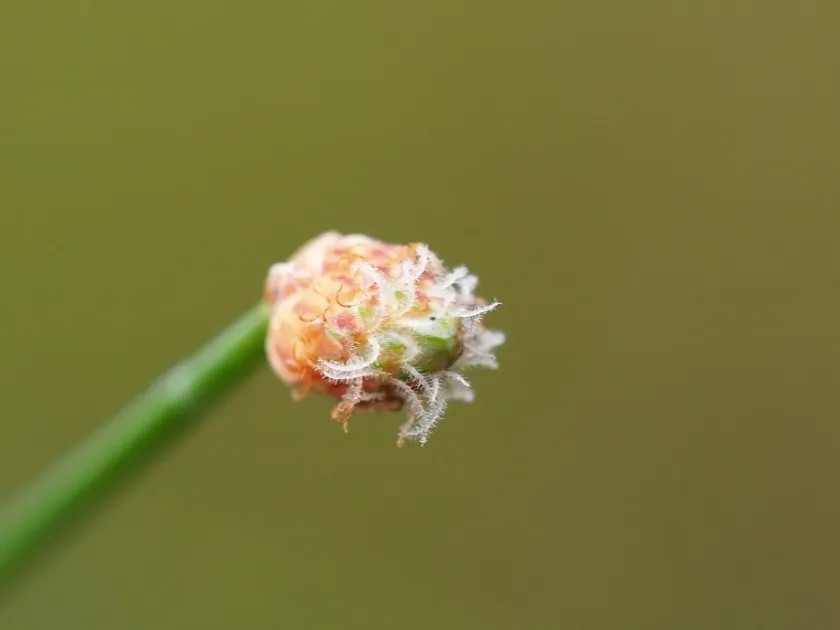
Description
Growing requirements
Spike rush (Eleocharis geniculata) is a herbaceous plant belonging to the Cyperaceae family. It is widely distributed across tropical and subtropical regions, serving as a primary component of wetland vegetation in both the Americas and the Old World.
The plant thrives in saturated, hydric soils. It is commonly found in marshes, riverbanks, and rice paddies, where it benefits from a stable supply of moisture and nutrient-rich silty or clayey substrate.
Climate requirements include warm temperatures and high levels of sunlight. Being a heliophilous plant, it requires full exposure to solar radiation to maintain its physiological productivity and biomass accumulation.
For successful cultivation, a constant water level is essential. While it can withstand temporary fluctuations, its root system is evolutionarily adapted to an anaerobic or semi-anaerobic soil environment.
Nutrient management focuses on the availability of organic matter in the sediment. In agricultural settings, it can be utilized in managed wetlands to stabilize soil or as an ornamental element in water gardens.
Main diseases and pests
Pathogenic fungi represent the primary threat to the stability of spike rush stands. Excessive humidity combined with stagnant air circulation can trigger outbreaks of stem rot.
Insect pests, including various larvae of moths and beetles, frequently target the reproductive spikelets and leaves, potentially reducing the overall quality of the yield.
Invasive aquatic weeds present a significant competition factor. Aggressive macrophytes can outcompete spike rush for sunlight and space, necessitating active management of the growth environment.
Environmental stress, such as water contamination by industrial chemicals or salts, significantly weakens the immune system of the plants, making them more susceptible to opportunistic secondary infections.
To ensure healthy growth, cultivators should implement a protocol of integrated pest management, avoiding broad-spectrum pesticides that could harm the delicate balance of the wetland ecosystem.