
Little spikerush
Eleocharis exigua
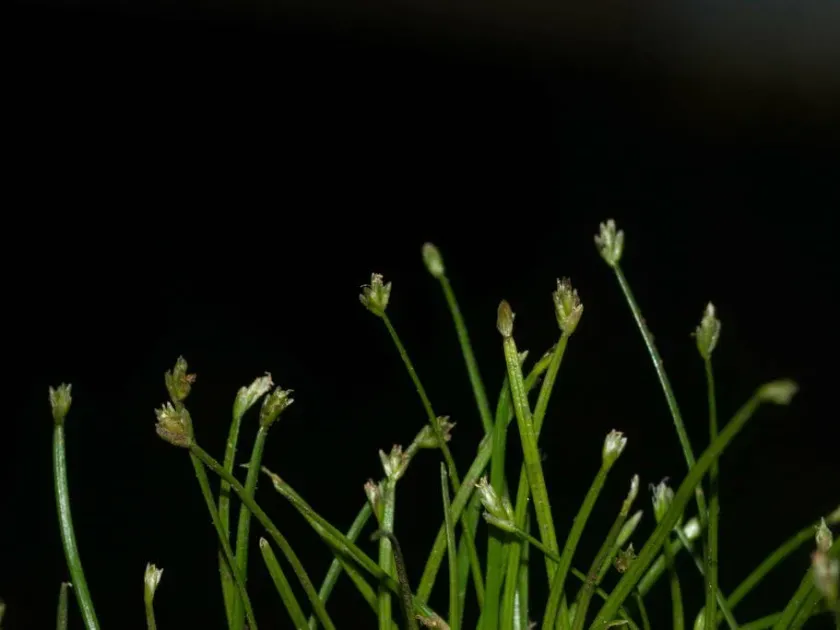
Description
Growing requirements
Little spikerush (Eleocharis exigua) belongs to the Cyperaceae family. It is a perennial herbaceous plant that thrives in natural habitats such as wetlands, shallow waters, and waterlogged meadows.
This crop is a typical hydrophyte, requiring high soil moisture levels or a constant layer of water. The plant possesses a well-developed root system, which helps in stabilizing sediment and preventing soil erosion in coastal areas.
Optimal growth conditions involve well-lit areas with neutral to slightly acidic soil pH. The spikerush is highly sensitive to soil drying, making it critically dependent on a stable hydrological regime throughout the growing season.
Biologically, the plant is adapted to flooding, which allows for its use on lands unsuitable for conventional agriculture. It demonstrates high adaptability to mineral water content, though it performs best on organic-rich silty soils.
Agricultural practices focus on maintaining water levels and protecting young plants from competitive weeds. In a managed environment, monitoring temperature is essential, as the species prefers moderate temperate climates.
Main diseases and pests
Major threats to spikerush stands are linked to changes in groundwater levels and water pollution. High concentrations of chemical runoff or herbicides can severely inhibit root development and cause population decline.
Pests such as aquatic insect larvae can damage the root zone, hindering nutrient uptake. Fungal diseases may also occur, especially in stagnant water conditions where proper aeration of the root zone is insufficient.
Excessive algal growth can negatively affect the crop by blocking sunlight from reaching the stems. Disease control measures should prioritize eco-friendly methods to avoid polluting the local water environment.
The biological health of the colony depends on water quality. Industrial pollution can be detrimental, as the plant acts as a sensitive indicator of aquatic ecosystem conditions.
Routine site management, including the removal of decaying matter, is crucial to prevent the spread of pathogens and to ensure optimal gas exchange for the plant's root system.