
Eleocharis elegans
Eleocharis elegans
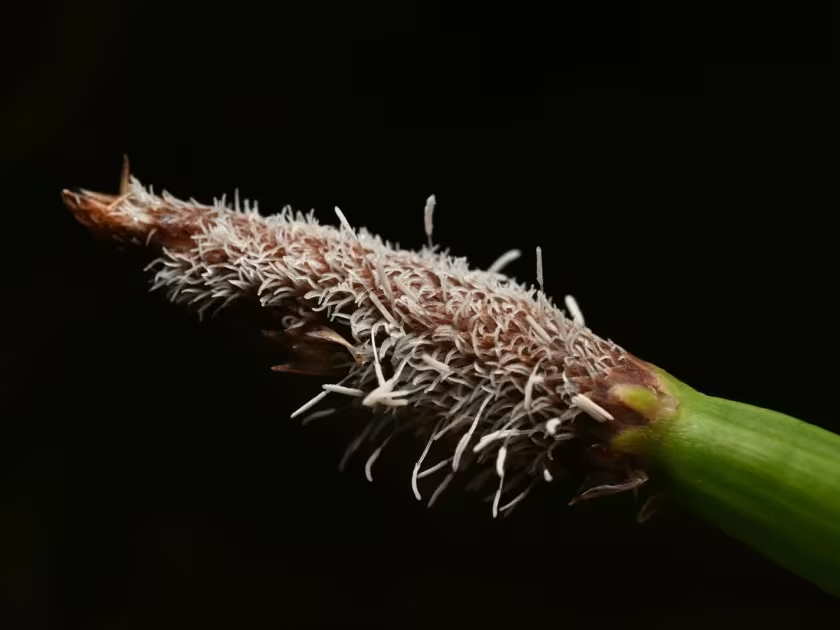
Description
Growing requirements
Eleocharis elegans, commonly known as a member of the spike rush genus, belongs to the Cyperaceae family. It is a perennial herbaceous plant native to the tropical wetlands of the Americas, thriving in saturated soil and shallow aquatic environments.
The plant is characterized by its slender, photosynthetic stems that emerge from perennial rhizomes. These stems are typically leafless, showcasing a deep green color, and can form dense colonies that are typical for this species in natural habitats.
Cultivation requires saturated, nutrient-rich substrates such as heavy clay or organic silts. Maintaining a constant water level is essential, as the plant is adapted to hydrological stability and does not tolerate long-term desiccation of its root system.
Environmental requirements include high temperatures, preferably between 20°C and 28°C, and exposure to bright, indirect sunlight. In temperate agricultural practices, this crop is often managed in controlled greenhouses to ensure year-round survival.
The economic value of this species lies in its ornamental use and environmental engineering. It is frequently employed in phytoremediation projects to treat wastewater and restore natural ponds due to its ability to absorb dissolved inorganic nitrogen and phosphorus.
Main diseases and pests
Major diseases include fungal root rots which often occur if the water quality deteriorates or becomes stagnant for long periods. Proper aeration of the cultivation medium is critical for maintaining healthy root tissues.
Common pests include aphids and mites, particularly when cultivated in containerized environments. Careful monitoring of the stem tips is necessary to prevent infestations that could retard plant growth and reduce overall biomass production.